
If you're thinking about extending your home in Northampton, one of the first questions you need answered is whether you'll need planning permission. The short answer: it depends on the type and size of your extension. Some extensions fall under permitted development rights and can go ahead without planning permission, while others require formal approval from Northampton Borough Council. Building Regulations approval is often needed too, regardless of planning permission.
Understanding these rules before you start saves time, money and stress. Let's walk through what you actually need to know.
What Extensions Can Be Built Without Planning Permission in Northampton
Certain extensions qualify as permitted development in Northampton. This means you can build them without applying for planning permission, though you'll still need Building Regulations approval in most cases.
Related: House Extension Costs and Planning in Northampton
Related: How Long Does a House Extension Take?
Related: Planning a Premium House Extension and Bathroom Renovation Together
Side extensions are often permitted development if they extend no more than half the width of your original house. So if your house is 8 metres wide, you can typically extend the side by up to 4 metres without needing planning permission.
Single-storey rear extensions can sometimes go ahead without planning permission too, but there are limits. The extension can't exceed a certain depth depending on whether your house is detached, semi-detached or terraced. Detached houses often have more flexibility than terraced properties.
The rules also depend on:
- Whether your home is in a conservation area (these have stricter rules)
- Whether it's a listed building (listed properties have additional restrictions)
- How close the extension is to a boundary
- The total floor area you're adding
Even if your extension is permitted development, you'll need to notify your Local Authority and get Building Regulations approval. It's not a free pass to build without any oversight.
Which Extensions Definitely Need Planning Permission
Some extensions always need planning permission in Northampton, no matter what. If your proposal doesn't fit the permitted development criteria, you'll need to submit an application to Northampton Borough Council.
Two-storey extensions almost always require planning permission. Even if a single-storey rear extension might be permitted, adding a second storey triggers the need for formal planning approval.
Front extensions and extensions that are very close to the road typically need planning permission. Local authorities want to protect the street scene and ensure extensions don't look cramped or out of proportion.
Extensions in conservation areas are tightly controlled. Northampton has several conservation areas, and extensions here require planning permission even when similar work might be permitted development elsewhere in the town.
Listed buildings and properties within the grounds of listed buildings always need planning permission for extensions. The local authority needs to protect historic features and character.
If you're unsure whether your specific extension needs planning permission, AKS MultiTrade can help you work through the options and advise on the next steps for your Northampton property.
How to Check the Planning Rules for Your Property
The easiest way to find out what applies to your home is to check Northampton Borough Council's planning website. You can view the planning register, which shows all current and past planning applications in your area. This gives you a sense of what's been approved nearby and what might be relevant to your situation.
You can also view planning decisions on properties similar to yours. If a neighbour has done an extension and you can see their planning application, you'll get useful insight into what was needed and what the local authority's thinking is.
The planning register lets you see what drawings, reports and information were submitted with each application. This helps you understand what you might need to provide if you're applying too.
If you're still unsure after checking the register, contact Northampton Borough Council's planning department directly. They can give you informal advice (sometimes called pre-application advice) about whether planning permission is likely to be needed. This conversation is usually free and helps you make an informed decision before spending money on detailed drawings or applications.
Building Regulations Approval Is Often Separate
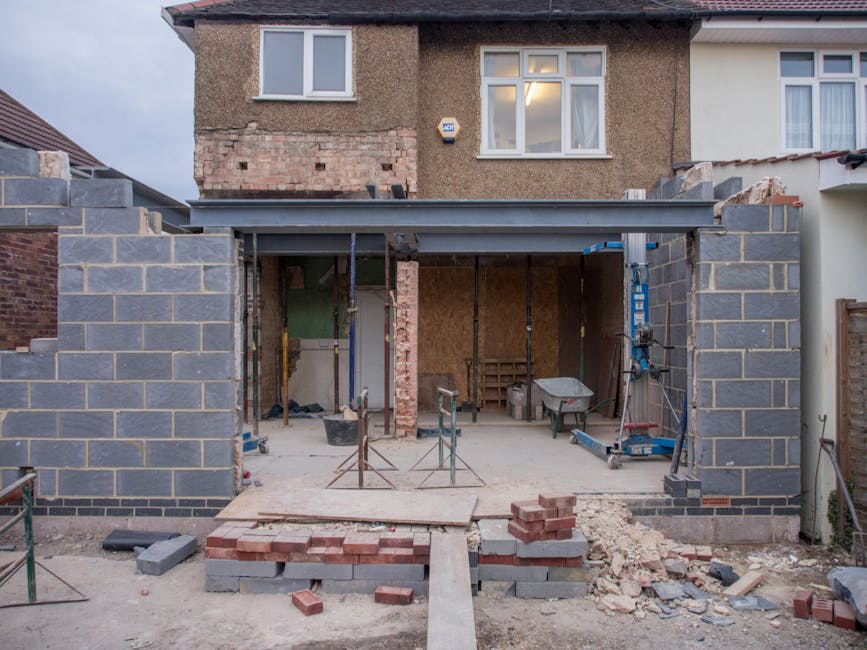
Here's something that catches many homeowners out: you might not need planning permission, but you almost certainly need Building Regulations approval.
Building Regulations are about safety, insulation, structural soundness and electrical work. Planning permission is about whether the extension fits with the local area and council policy. They're two different things.
Most extensions need Building Regulations approval, whether or not they need planning permission. You can't skip Building Regulations just because your extension is permitted development. The local authority's Building Control team will inspect the work at different stages to make sure it meets the standards.
This is actually good news for you. It means your extension will be built to proper standards, properly insulated, and safe. If you ever sell your home, having Building Regulations certificates makes the property easier to sell because buyers know the work was done properly.
The Planning Application Process in Northampton
If your extension does need planning permission, here's what to expect.
First, you'll need drawings. These show the existing property and what you're proposing to build. Drawings need to be clear enough that the planning officer can understand exactly what you're planning.
You'll submit your application to Northampton Borough Council with the drawings, a site plan showing where the extension is located, and a planning application form. The council has a fee structure based on the size of your extension.
Once submitted, your application enters the public domain. Neighbours and local residents can view it on the planning register and can comment on it if they wish. The council takes those comments into account when making a decision.
A planning officer will assess your application against local policies, design guidance and the specific circumstances of your property. They'll consider things like whether the extension looks in proportion to the house, whether it respects the character of the area, and whether it causes issues with neighbouring properties.
Related: Landscape Design for Residential Properties in Northamptonshire
Most applications are decided within 8 weeks, though this can vary. If the council grants permission, you'll receive a decision notice and can then proceed to Building Regulations approval and construction. If they refuse, you'll get a detailed explanation of why.
Understanding Conditions on Planning Permission
Sometimes planning permission is granted with conditions attached. These are requirements you must meet before or during construction.
Common conditions include:
- Restrictions on materials (the brick or render you use must match existing)
- Limitations on roof design or pitch
- Rules about windows and doors
- Neighbour impact assessments
- Landscaping or boundary fencing requirements
You must comply with these conditions. If you build the extension differently, the council can take enforcement action and require you to put things right.
Building Regulations and Getting Your Extension Approved
After planning permission is sorted (or if your extension is permitted development), you need Building Regulations approval.
You'll submit an application to Northampton Borough Council's Building Control team with detailed drawings, structural calculations if needed, and specifications of materials and methods. Building Control will review these before work starts.
Once approved, Building Control will inspect the work at key stages: foundation level, structural frame, before you cover up any important work, and finally when it's complete. This protects you because you know the work meets safety and quality standards.
The inspection process catches problems early, which is much cheaper than discovering issues after the extension is finished. It also gives you peace of mind and proof of proper completion when you sell.
What Affects Your Timeline and Next Steps
The whole process from deciding to extend to moving into your new space typically takes several months. Planning applications can take 8-12 weeks. Building Regulations approval and the construction itself add more time.
If your extension is straightforward and permitted development, you might move faster. But if planning permission is needed, allow time for the council to consult with neighbours and process comments.
The best next step is to talk through your specific ideas with someone who understands both planning and Building Regulations. AKS MultiTrade has extensive experience with house extensions and renovations across Northampton, Kettering, Wellingborough and the surrounding areas. A quick conversation can help you understand what you're dealing with and what comes next.
Key Things to Remember
Planning permission and Building Regulations are separate processes, though they often overlap.
Some extensions are permitted development and don't need planning permission, but most still need Building Regulations approval.
If your extension doesn't qualify as permitted development, you must apply for planning permission before starting work.
Conserv areas, listed buildings and properties on sensitive sites have stricter rules.
Check the planning register to see what's been done nearby and what was approved.
Get informal advice from Northampton Borough Council if you're unsure about your specific property.
Building Control inspections throughout the process ensure safety and quality.
Common Questions About Extension Planning Permission in Northampton
Do I need planning permission for a small single-storey rear extension in Northampton?
It depends on the depth and your house type. Detached houses have more flexibility than terraced or semi-detached. Check Northampton Borough Council's permitted development rules for your specific circumstances, or contact them for informal advice. Even if planning permission isn't needed, Building Regulations approval will be.
What happens if I build an extension without planning permission when I need it?
The council can take enforcement action, which means you could be required to remove the extension or alter it to comply. This is expensive and stressful. It's always better to get permission upfront. If you've already done work without permission, contact the council to discuss your options.
How long does a planning application take in Northampton?
Most applications are decided within 8 weeks of submission. However, this can take longer if the council needs more information, or if the application is more complex. Having complete, clear drawings and information upfront speeds things up.
Is a planning permission certificate proof that Building Regulations approval has been given?
No. Planning permission and Building Regulations approval are separate. You can have planning permission but still need to apply for and pass Building Regulations inspection. Some people mistakenly think one covers the other, but they don't. You need both in most cases.
Helpful links
AKS MultiTrade Quick Facts
- Location: Northampton
- Services: Plumbing; Bathroom Renovation; Bespoke Outbuildings; Landscaping; Watergardens