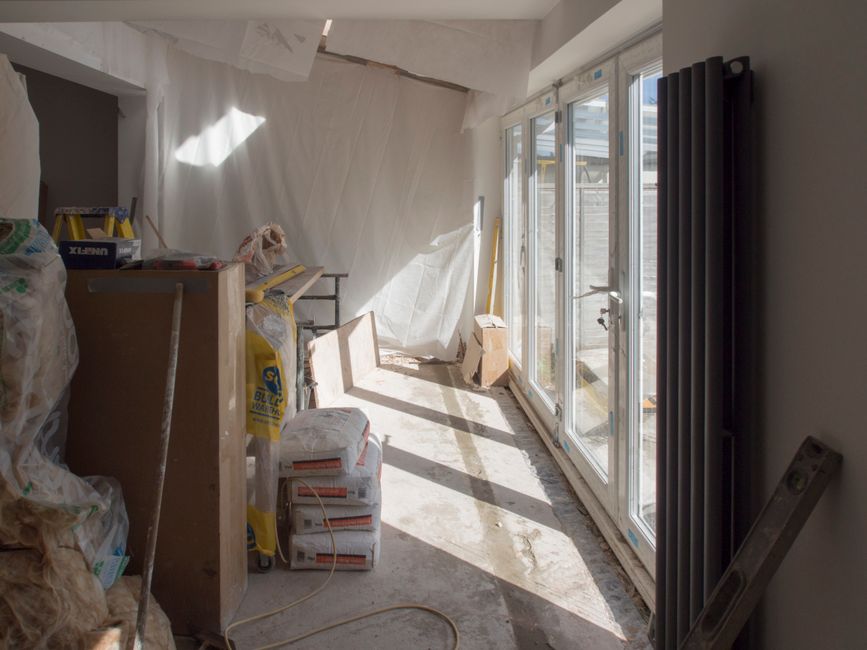
So you're thinking about extending your Northampton home. Smart move. But before you get excited about extra space, you need to understand what extension costs actually look like and how planning works in the area.
The truth is, there's no one-size-fits-all price tag. House extension costs in Northampton depend on loads of different factors, and getting your head around them early on makes the whole process way smoother.
Related: How Long Does a House Extension Take?
Related: Planning a Premium House Extension and Bathroom Renovation Together
What Actually Affects House Extension Costs?
Extension pricing isn't just about square metres. If only it were that simple.
The main factors that influence your final bill include:
- Project size and complexity - A simple side infill extension will cost differently to a multi-storey rear extension with complex design features.
- Materials you choose - Brick, render, timber cladding, glazing specs, roofing materials - it all adds up differently depending on what you select.
- Site conditions - Ground stability, access to your property, existing structures nearby, and the state of your current foundations all play a role.
- Labour costs - This varies based on project complexity and how long the work takes.
- Design complexity - Straightforward designs cost less than bespoke architectural features or unusual angles.
- Building Regulations and approvals - Extensions need proper certification, and more complex projects take longer to approve and cost more to manage.
When you're budgeting, you also need to account for hidden costs that catch people off guard. Structural work, utility relocations (moving electrics, plumbing, heating), and unforeseen issues once work starts - these can push costs higher than initial estimates.
Planning Permission for Northampton Extensions
Here's something that trips up a lot of people: not every extension needs planning permission.
Related: Residential Extension Planning Permission in Northampton
Some extensions in Northampton fall under permitted development rights, which means you can build without formal planning permission. Side infill extensions, for example, often qualify if they meet specific criteria around size, materials, and setback from boundaries.
However, just because you don't need planning permission doesn't mean you're home free. Building Regulations approval is still required. This is separate and covers structural safety, drainage, insulation, electrics, and other technical aspects of the work.
You'll need formal planning permission if your extension:
- Extends beyond certain size limits
- Uses materials that don't match your property
- Affects a neighbour's rights to light or outlook
- Is in a conservation area or affects a listed building
- Creates overlooking or privacy issues
The planning team at Northampton Borough Council can advise whether your specific project needs permission, and it's worth asking early. Getting this wrong means stopped work and costly delays.
Breaking Down the Planning Process
Once you know you need planning permission, here's roughly how it works.
You'll submit detailed plans showing your design, materials, how it affects the street scene, and impact on neighbours. This typically takes 8-13 weeks to get a decision. Sometimes they ask for changes before approving, which means resubmitting and more waiting.
Building Regulations approval happens separately and is more technical. It covers drainage, foundations, insulation, electrics, structural calculations - the stuff that keeps your extension safe and compliant. This also takes time and involves site inspections during and after the work.
Both processes cost money in fees and professional support. If you're unsure about what you need or how to submit applications properly, getting professional advice now saves stress and expense later. AKS MultiTrade works on extension projects in Northampton and can guide you through these requirements from the start.
Budget Planning: What You Should Know

Smart homeowners build contingency into their budgets from day one.
A realistic approach is to estimate your base project cost, then add a buffer for unknowns. Once work starts, sometimes things change - you might discover structural issues, need to relocate services differently, or decide to upgrade finishes. Having money set aside means these don't derail the whole project.
Fixed-price contracts can help manage uncertainty, but they only work if the scope is crystal clear at the start. The clearer your plans and specifications, the more accurately contractors can quote and the less likely you are to face shocking bill increases.
Breaking costs down separately - materials, labour, professional fees, contingency - helps you understand where money's going and identify areas where you might make choices that suit your budget.
Different Extension Types in Northamptonshire
The type of extension you're building affects both planning likelihood and costs.
Side infill extensions are hugely popular in the Northampton area because they often fit permitted development rules and make efficient use of space. They're usually more straightforward than other types.
Rear extensions give you more flexibility for design but can be pricier depending on size and complexity. Wraparound extensions, two-storey additions, and extensions with unusual features cost more because they're structurally more demanding.
Each type has its own planning hurdles and cost drivers. What works for your neighbour's property might not work for yours, which is why generic advice only gets you so far.
Managing Costs Through the Project
Once work starts, costs can creep up if you're not careful.
Stay in regular contact with whoever's managing the build. Know what's included in your contract and what isn't. If you want to make changes, get a price first - changes during work are always more expensive than planning for them upfront.
Quality matters more than rushing. A well-built extension that takes a bit longer costs less to maintain and adds more value than a rushed job that develops problems later.
If you want clarity on costs for your specific Northampton extension project, get in touch with AKS MultiTrade for a free consultation and quote. We can walk you through what your project involves, what it'll likely cost, and how to manage the process smoothly.
Key Takeaways on Extension Costs and Planning

- Extension costs depend on size, materials, complexity, site conditions, and labour.
- Not all extensions need planning permission, but Building Regulations approval always applies.
- Side infill extensions often qualify for permitted development in Northampton.
- Budget for contingency - unexpected costs are common once work starts.
- Clear plans and fixed-price contracts help control costs and timelines.
- Professional guidance at the planning stage saves money and headaches later.
Frequently Asked Questions
Do I need planning permission for an extension in Northampton?
Not always. Some extensions qualify for permitted development rights and don't need formal planning permission. However, Building Regulations approval is always required. The specifics depend on your property, the extension size, materials, and location. It's worth checking with Northampton Borough Council or getting professional advice early to avoid problems later.
What's the difference between planning permission and Building Regulations?
Planning permission is about whether the design and appearance fit with your area and don't unfairly affect neighbours. Building Regulations is about technical safety - foundations, structure, drainage, electrics, insulation, and compliance with building standards. You can get one without the other in some cases, but both usually apply to extensions.
How long does a Northampton extension usually take?
Planning permission typically takes 8-13 weeks from submission. Actual build time depends on the extension type and complexity. Simple side extensions might take a few months, while larger or more complex projects can take significantly longer. Building Regulations inspections happen throughout and after the work.
Helpful links
AKS MultiTrade Quick Facts
- Location: Northampton
- Services: Plumbing; Bathroom Renovation; Bespoke Outbuildings; Landscaping; Watergardens