
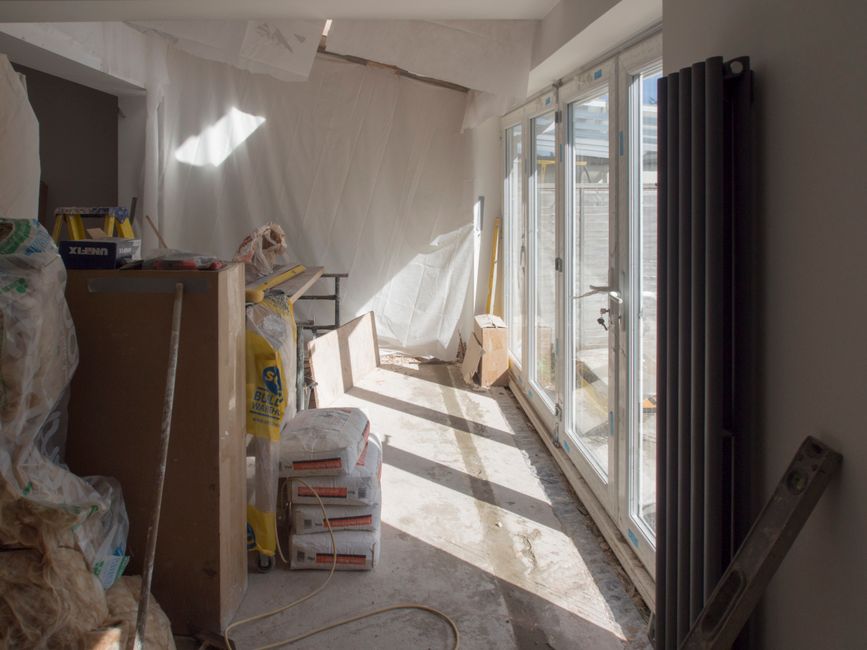
How Long Does a House Extension Take?
Planning a house extension is exciting, but one of the first questions homeowners ask is straightforward: how long will this actually take?
The honest answer is that it depends on a lot of factors. But we can give you a realistic picture of what to expect, from the moment you have the idea to the day you're opening champagne in your new space.
The Short Version
For a typical single-storey extension, you're looking at somewhere between 7 to 15 months from start to finish. But that's the whole journey, including planning and permissions.
If you're adding a second storey, add another couple of months on top. And if your project is smaller or more straightforward, you might finish sooner.
Breaking Down the Timeline
The Planning Phase (4-12 weeks)
Nothing happens on your building site until the paperwork is sorted. This is where most people underestimate the time involved.
During this phase, you'll need planning permission and Building Regulations approval from your local council. This isn't something you can rush.
Wait times vary depending on how busy your local authority is and how straightforward your application is. Some can sail through in 4 weeks. Others might take 12 weeks or longer if the council asks for changes or further information.
This is the part where patience really matters. But it's also where you should be getting your builder lined up and finalising every design detail.
The Construction Work (8-16 weeks, sometimes longer)
Once you have the green light, the real work starts. This is when diggers arrive and your vision actually becomes brick and mortar.
For a straightforward single-storey extension, expect 8 to 16 weeks on site. That's roughly 2 to 4 months of active building work.
Smaller projects might finish in 8 weeks. Larger or more complex extensions can stretch to 6 months or beyond, especially if you're including intricate finishes like a luxury bathroom or bespoke timber elements.
A second-storey addition will take longer, typically 16 to 24 weeks of construction, because there's more structural work involved.
The Finishing Touches
Don't forget the final weeks. Plastering, painting, flooring, and any installations (like bathroom fittings or heating systems) all take time.
These finishing stages can feel like they drag on, but they're where your extension really comes to life.
What Actually Affects How Long Your Extension Takes

Size and Complexity
A simple single-storey rectangular extension will finish faster than a wraparound design with multiple roof angles. More complex geometry means more work.
Ground Conditions
What's under your garden matters. If the builders hit unexpected ground issues, that adds time. Proper site surveys help avoid nasty surprises, but sometimes you don't know what you'll find until the diggers start.
Weather
This is the UK. Rain happens. Cold weather can slow concrete curing. Winter projects naturally take longer than summer ones. There's not much you can do about this, but it's worth factoring in.
Supply Chain
Materials need to arrive on time. Custom elements like bespoke timber structures take longer to produce than standard materials. If you're ordering anything made to measure, that adds weeks.
Your Design Choices
If you're keeping it simple with basic finishes, you'll finish faster. If you're planning luxury bathroom installations, high-end flooring, or custom-built features, add extra time for those elements.
Planning and Approval Delays
Sometimes councils ask for revisions or take longer than expected to approve. This is completely outside your builder's control but directly affects your overall timeline.
How to Minimise Delays
You can't control the weather or the council's workload, but you can do several things to keep things on track.
Get your planning sorted early. Don't wait for permission before deciding on designs. Work with your builder during the planning phase so everything is ready to go the moment approval lands.
Order long-lead items in advance. If you know you want bespoke elements, order them as soon as you can. Don't wait for the last minute.
Be clear about what you want. Changing your mind halfway through costs time and money. Nail down your requirements before work starts.
Choose a builder you trust. Experience matters. A team that knows what they're doing and plans properly will hit deadlines more reliably than one that's winging it.
Real-World Examples
A straightforward 4-metre by 3-metre single-storey extension with standard finishes might take 9 to 10 months total, including 3 months of planning and 8 weeks of construction.
A larger, more detailed extension with custom finishes and a more complex roof design could easily stretch to 15 months. That's 4 months of planning and up to 5 months of on-site work.
The key is that every project is different. Your extension depends on your specific situation.
What Happens During These Months

Understanding the timeline is one thing. Knowing what actually happens during each phase helps you prepare mentally and practically.
Months 1-3: Planning and permissions. You're meeting with your builder, submitting applications, and answering council questions. There's not much visible activity, which frustrates some people. But this foundation work is crucial.
Months 4-8: Construction. The real work. Foundations are dug, walls go up, the roof is fitted. Your garden will look like a building site. Dust and noise are part of this phase.
Months 9-10: Finishes. The shell is complete. Now it's plastering, painting, flooring, and any installations. This is when it starts to feel like a real room.
Month 11+: Final touches. Snagging (fixing small issues), final inspections, and getting everything signed off. This can take a few weeks.
Why You Shouldn't Rush It
There's a temptation to push for speed, especially if you've been planning this for years. But rushing a house extension usually backfires.
Quality workmanship takes time. Shortcuts on foundations or finishes will cause problems later. A builder who's working at a sensible pace is more likely to get the details right than one who's racing against an unrealistic deadline.
Your extension is an investment in your home. It's worth doing properly, even if it takes a few extra weeks.
Planning Your Life Around the Timeline
A house extension is disruptive. Knowing the timeline helps you plan around it.
If you have young kids, you might want to avoid starting during school exam season. If you work from home, the noise during construction might mean arranging alternative workspace for those weeks.
Think about access to your garden, parking for builder vehicles, and whether you need temporary solutions for anything the extension affects.
These practical considerations aren't part of the official timeline, but they matter for your day-to-day life during the project.
Frequently Asked Questions
Can a house extension be completed in less than 7 months?
It's possible for very small or simple projects, especially if planning approval is quick. But most extensions involving significant structural work and proper finishing take at least 7 to 9 months total when you include planning. Rushing below that often means compromising on quality.
What's the longest a house extension typically takes?
For a standard extension, 15 to 18 months is the upper range. Larger projects, second-storey additions, or those with highly bespoke elements can take longer. Unexpected ground conditions or planning complications can also extend timelines, but these are exceptions rather than the rule.
How much of the timeline is planning versus building?
Typically, planning and permissions take 4 to 12 weeks, while construction takes 8 to 16 weeks. So you're looking at roughly one-third planning time and two-thirds building time for most projects. The planning phase is crucial but often feels slower because there's less visible progress.
Does the time of year affect how long an extension takes?
Yes. Building during summer months is generally faster because weather is more reliable and daylight hours are longer. Winter projects face more weather delays and shorter working days. If you have flexibility, starting in spring or early summer gives you the best chance of steady progress.