

Combining a house extension with a bathroom renovation is ambitious, but it's worth doing right. When you tackle both projects together, you can save time, coordinate your contractors better, and create a seamless flow between old and new spaces. The key is planning smartly from the start.
Here's how to pull off a premium house extension and bathroom renovation as one integrated project, rather than two separate headaches.
Related: House Renovation Northampton: Your Complete Planning Guide
Related: House Extension Costs and Planning in Northampton
Related: Residential Extension Planning Permission in Northampton
Define Your Vision and Goals Upfront
Before you ring anyone, sit down and write out what you actually want from both projects. Are you adding a new bedroom upstairs with an en-suite? Extending your ground floor and upgrading your main bathroom at the same time? Building a larger, more luxurious bathroom as part of a whole-house transformation?
Get clear on priorities. Do you need the extension finished first so the bathroom can connect to new plumbing runs? Or can they happen side by side? Understanding your end goal shapes every decision that follows.
Talk to your partner, your family, anyone who'll use these spaces. Sketch rough ideas. Take photos of bathrooms you love, extensions you admire. This isn't about perfection yet, it's about alignment.
Understand Local Building Regulations and Permissions
This is the unglamorous but essential step. Some house extensions fall under permitted development rights in the UK and don't need planning permission, though Building Regulations approval may still apply. Bathroom renovations rarely need planning permission, but Building Regulations may apply if structural changes or significant electrical work is involved.
Contact your local council in Northamptonshire before you go further. A quick conversation can tell you whether your extension needs formal consent and which building approvals are mandatory for your bathroom work. Different rules apply in Northampton, Kettering, Wellingborough and other local areas, so don't assume.
Once you know the regulations, you can design confidently. Skipping this step now means delays and frustration later.
Choose One Experienced Team Over Multiple Contractors
This is the biggest win of an integrated approach. Instead of hiring separate firms for your extension and your bathroom, find a business that can handle both trades and coordinate them as a single project.
A multi-trade team like AKS MultiTrade brings accountability, consistency and real communication. When one team oversees the whole job, they can sequence the work logically, manage shared resources (like access, water, electricity), and solve problems quickly without contractors blaming each other.
Look for a team with genuine experience in both extensions and bathroom work. Not every builder has the skill to design and install a luxury bathroom with the same care they bring to brickwork and joinery.
Plan Your Sequencing and Timeline

How you order the work matters hugely. Typically, your extension structure goes up first: foundations, walls, roof. Once the shell is weathertight, your plumbing and heating systems can be installed, along with electrics and other services.
If your new bathroom is in the extension, the plumbing runs connect naturally during the service installation phase. If you're upgrading your existing main bathroom at the same time, your plumber can plan new pipework to avoid conflicts and ensure efficient routing.
A standard bathroom renovation typically takes 2 to 3 weeks. More complex projects with layout changes or structural work take 4 to 6 weeks or longer. Build this into your extension timeline so you're not left with an unfinished bathroom while the rest of the house is ready.
Talk honestly with your team about realistic timescales. A rushed bathroom fit compromises quality; a premium renovation deserves proper time.
Complete Material and Design Selections Early
Delays kill momentum and budgets. Agree on your bathroom suite (basin, toilet, bath), tiles, sanitaryware, lighting and finishes well before construction starts. The same goes for extension materials: brick type, roof covering, window frames, doors.
Order long-lead items early if they're bespoke or in high demand. A delay in bathroom fixtures can stall the final week of work and push your completion date back.
Work with your team to create a materials schedule. They'll tell you when each item needs to arrive on site to keep the work flowing smoothly.
Integrate Design and Layout Planning
A premium bathroom deserves thoughtful design. If your new bathroom is in the extension, you have freedom to create something special. Good layout means efficient plumbing, natural light where possible, and a space that feels luxurious rather than cramped.
Consider how your new bathroom connects to the rest of the extension. Does it lead naturally from a new bedroom? Is there a hallway with good proportions? How will the door swing? These small choices make the difference between a bathroom that feels like an afterthought and one that feels like a properly designed room.
If you're upgrading your existing main bathroom, the same principles apply. Moving pipework around in a bathroom renovation does not automatically require Building Regulations approval, but your team will know what's needed and will advise you on any structural or electrical certification required.
Set a Realistic Budget Across Both Projects
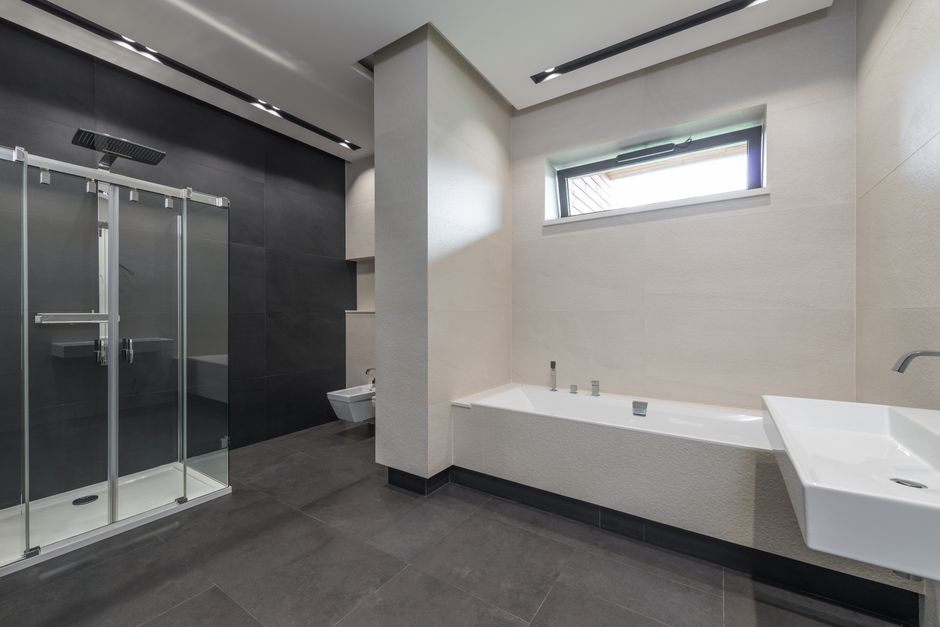
Price your extension and bathroom together, not separately. Some costs overlap or can be optimized when you're doing both at once. A good team will explain where you can make smart trade-offs and where it's worth investing more.
Several factors affect your total investment: the size and complexity of the extension, whether your new bathroom includes structural changes, the quality of finishes you choose, local labour costs, and the specific challenges of your site.
Rather than guessing, get a free consultation and detailed quote from AKS MultiTrade. They can walk you through what drives cost and where your money goes.
Stay Organized with Clear Documentation
Large projects live or die by paperwork. Make sure your team provides you with a clear plan: a timeline, a materials list, drawings that show exactly what's happening and where, and a contact person if issues arise.
Keep copies of all approvals, quotes, and agreements. Schedule regular check-ins, weekly or fortnightly, to review progress and catch any snags early.
If something unexpected comes up (and it usually does in construction), a documented brief makes it much easier to make quick, confident decisions rather than panicking.
Prepare Your Home for Disruption
You'll have builders, deliveries, noise, dust and disruption for weeks. Plan ahead. Where will your family go if water is off? How will you manage a building site around daily life?
Agree with your team on site rules: working hours, parking, toilet facilities, protection of your existing rooms. A professional team respects your home and minimises mess, but a joint project is still a building site.
Communicate Expectations Clearly and Often
The difference between a smooth project and a stressful one often comes down to communication. Be clear about what you want, what you're prepared to pay for, and what success looks like to you.
Ask your team to keep you updated. If they spot a problem early, tell you straight away. If they need a decision from you, don't leave you hanging. Regular, honest conversation prevents surprises and keeps morale up.
Plan for the Finish and Sign-Off
As work draws to a close, do a final walk-through with your team. Check that everything is finished to the standard you agreed. Test all plumbing, heating, and electrical systems. Make sure tiles are grouted properly, paintwork is clean, and handles and taps work smoothly.
A premium bathroom and a quality extension deserve a proper finish. Don't rush the final inspections. Bathroom renovations that are finished with care deliver pleasure for years.
How long does it take to combine a house extension and bathroom renovation?
There's no single timeline because it depends on the scale of your extension, whether your bathroom involves structural work, and how much you can run in parallel. Most projects take 3 to 6 months or longer. Your team should give you a realistic schedule at the start.
Do I need planning permission for a house extension and bathroom renovation in Northamptonshire?
Some extensions fall under permitted development rights and don't need planning permission, but Building Regulations approval usually applies. Bathroom renovations rarely need planning permission, though Building Regulations may apply if you're making structural changes or significant electrical work. Check with your local council in Northampton, Kettering, Wellingborough or your area to be sure.
Should I hire one team or separate contractors for the extension and bathroom?
One experienced team is almost always better. They can coordinate the work, manage shared resources, and solve problems without finger-pointing. Look for a builder with proven skill in both house extensions and bathroom design and installation.
What's the best order to do an extension and bathroom renovation?
Usually, the extension structure goes up first (foundations, walls, roof). Once it's weathertight, plumbing and heating are installed, followed by other services and finishes. If your bathroom is in the extension, it fits naturally into this sequence. If you're upgrading an existing bathroom, it can often happen in parallel with the later stages of the extension.
Helpful links
AKS MultiTrade Quick Facts
- Location: Northampton
- Services: Plumbing; Bathroom Renovation; Bespoke Outbuildings; Landscaping; Watergardens