
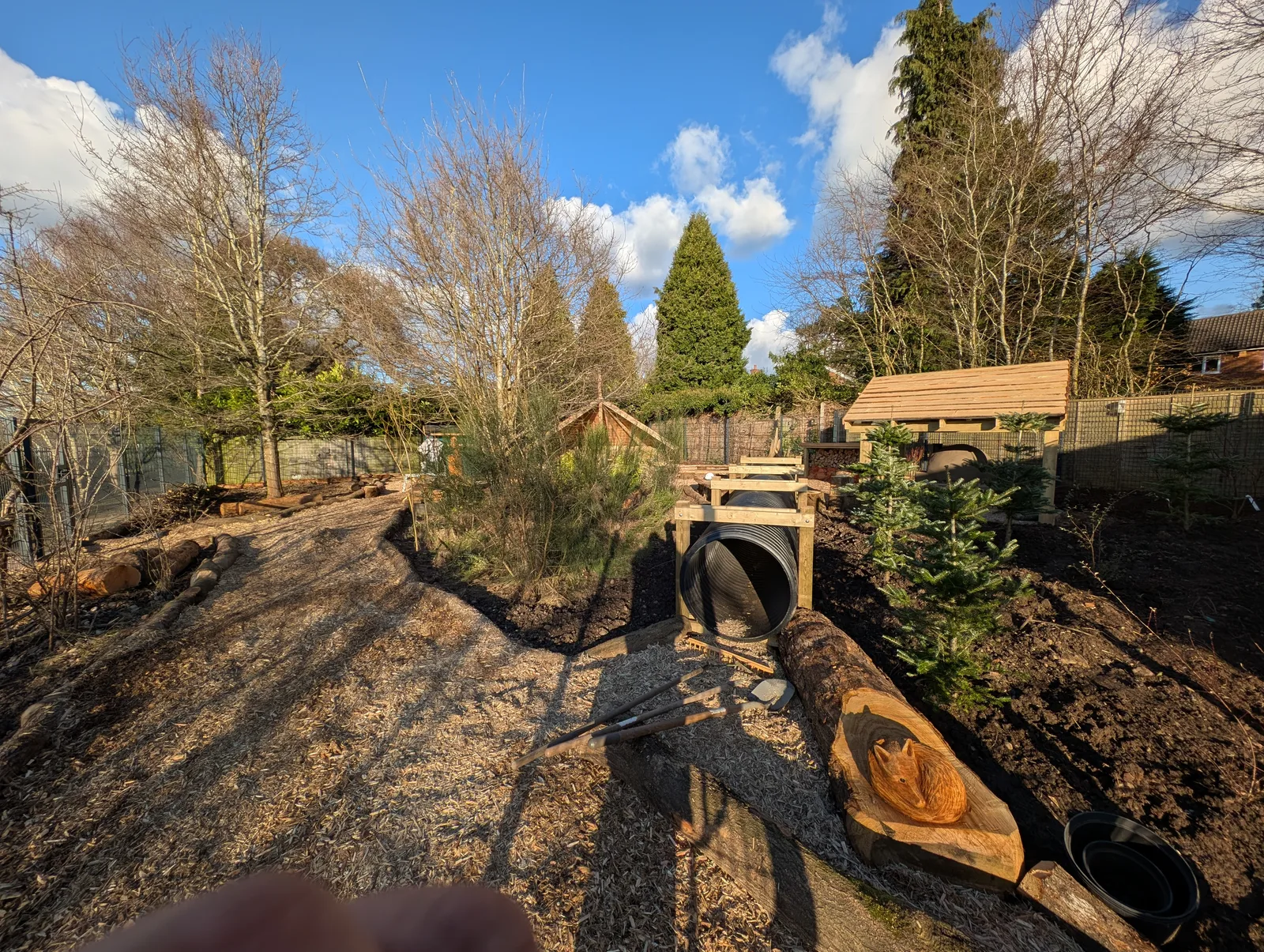
Designing an outdoor forest school is an exciting project, but it's not something you just throw together. You need a proper location, a committed group of participants, the right resources, and a framework that keeps everyone safe and learning. If you're thinking about launching a forest school in Northampton, Northamptonshire, or the surrounding areas, here's what actually goes into making it happen.
Start With the Right Location
Your outdoor space is everything. You need access to a natural or semi-natural area with trees, undergrowth, and varied terrain. This could be woodland, a park with designated areas, or even a managed green space where you have permission to operate regularly.
The location must be accessible to your participants and have adequate space for the activities you're planning. Think about foot traffic, natural shelter, water access, and whether the ground conditions suit your groups' needs throughout the seasons.
Secure a formal agreement with the landowner before you start. You'll need written permission to use the space, especially if you're running regular sessions. This protects both you and the landowner.
Assemble Your Core Group and Leadership
You can't run a forest school alone. You need a committed group of participants (children, families, or learners, depending on your model) and trained leadership to guide the experience safely and meaningfully.
Related: Wooden Vegetable Boxes for Your Garden: A Practical Guide
Consider pursuing formal Forest School leader qualifications. Accredited training programmes exist specifically to prepare practitioners for this role. These courses cover pedagogy, safeguarding, risk management, and outdoor teaching techniques. Having qualified leaders gives your forest school credibility and ensures you're following best practice from day one.
Think about your staff-to-participant ratio. Young children need closer supervision than older learners. Plan your team accordingly.
Conduct Comprehensive Risk Assessments
Risk assessment is not optional—it's mandatory. You need to identify hazards in your outdoor space and put controls in place before sessions start.
Walk the site in different weather conditions. Look for trip hazards, unstable trees, water risks, wildlife, and seasonal changes. Document everything. Create a formal risk register that covers environmental hazards, activity-specific risks, and safeguarding concerns.
Update your risk assessments regularly. The forest changes with the seasons, storms damage trees, and new hazards emerge. Make it part of your regular practice.
Develop Clear Policies and Procedures
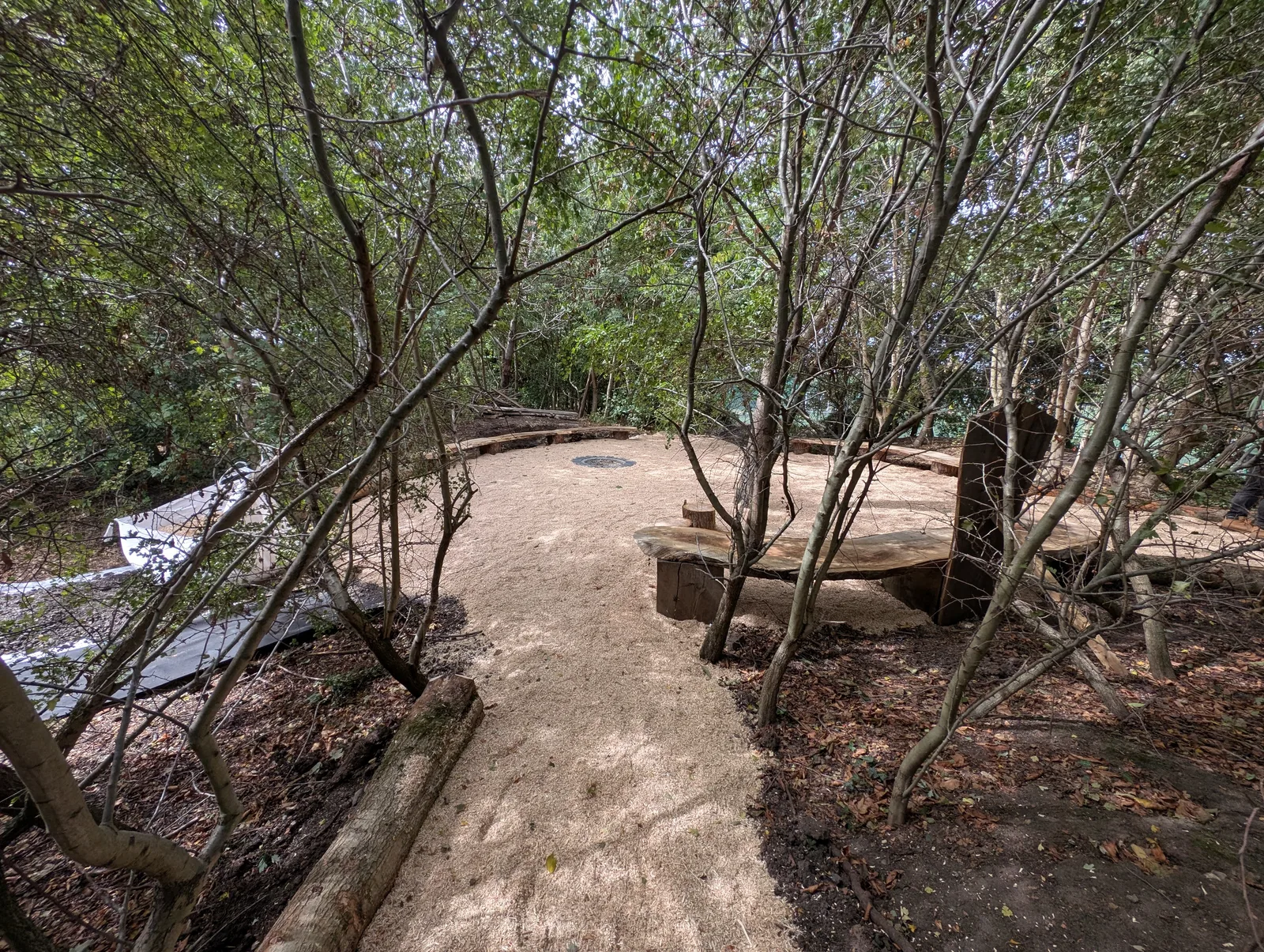
Before you welcome your first group, you need written policies that cover safeguarding, supervision, emergency procedures, inclusion, and behaviour management.
Your policies should spell out:
- How you'll supervise participants and keep them safe
- What to do if someone gets hurt or lost
- How you'll handle extreme weather
- What clothing and equipment participants need
- How you'll involve parents and carers
- Your approach to outdoor learning and risk-taking
These documents aren't just bureaucracy—they're your operational backbone. They help your team stay consistent and give parents confidence in what you're doing.
Plan Your Programme and Resources
Decide what your forest school will actually offer. Are you running sessions for nursery-age children, school-age kids, families, or adults? How long will sessions be? What times of year will you operate?
Your programme should balance structure with freedom. Forest school works best when children have time to explore, play, and learn through discovery—but you also need planned activities, learning outcomes, and clear routines.
Think about the resources you'll need: tools (saws, ropes, hammers), first aid kits, storage for equipment, shelter materials, and consumables. Some of this you'll buy; some you might source from the woodland itself (fallen branches, leaves, stones).
Get Your Administrative and Legal Paperwork Right
Running a forest school involves compliance. Depending on your setup—whether you're a charity, community interest company, private provider, or volunteer group—you'll have different requirements.
You'll likely need:
- Safeguarding policies and procedures
- Parental consent forms
- Emergency contact details
- Insurance (specifically outdoor education liability cover)
- Data protection procedures
- Health and safety documentation
- Registers and record-keeping systems
If you're operating as a regulated activity with children, you may need Disclosure and Barring Service (DBS) checks for staff. Check the latest requirements for your specific setup.
Build Systems for Weather and Seasonal Changes

Outdoor learning happens in all weather—that's part of the appeal. But you need proper systems to keep everyone safe and comfortable.
Invest in waterproof storage for equipment. Create shelter options (a simple tarp system or a bothy can make a huge difference). Have clear protocols for when to modify activities due to weather, and know your cancellation triggers (high winds, extreme temperatures, lightning).
Plan how your programme will change through the seasons. Winter offers different learning opportunities than summer. Spring and autumn bring seasonal changes worth exploring. Your forest school should flex with these rhythms rather than fight against them.
Support Your Team's Ongoing Development
Your leaders and practitioners need ongoing training and support, not just a one-off qualification. Outdoor education is a skill that deepens with practice.
Look into practitioner development opportunities: refresher courses, specialist training (rope work, wild cooking, nature identification), and peer learning with other forest school leaders. Create space for your team to reflect on what's working and what needs to change.
Professional development keeps your team engaged and your forest school continuously improving. If you're managing a team, make this part of your culture from the start.
Connect With Your Local Community
Whether you're in Northampton, Kettering, Wellingborough, Daventry, or elsewhere in Northamptonshire, your forest school will benefit from local connections.
Build relationships with local schools, nurseries, community groups, and environmental organizations. They can send referrals, offer partnership opportunities, and provide local knowledge about your outdoor space.
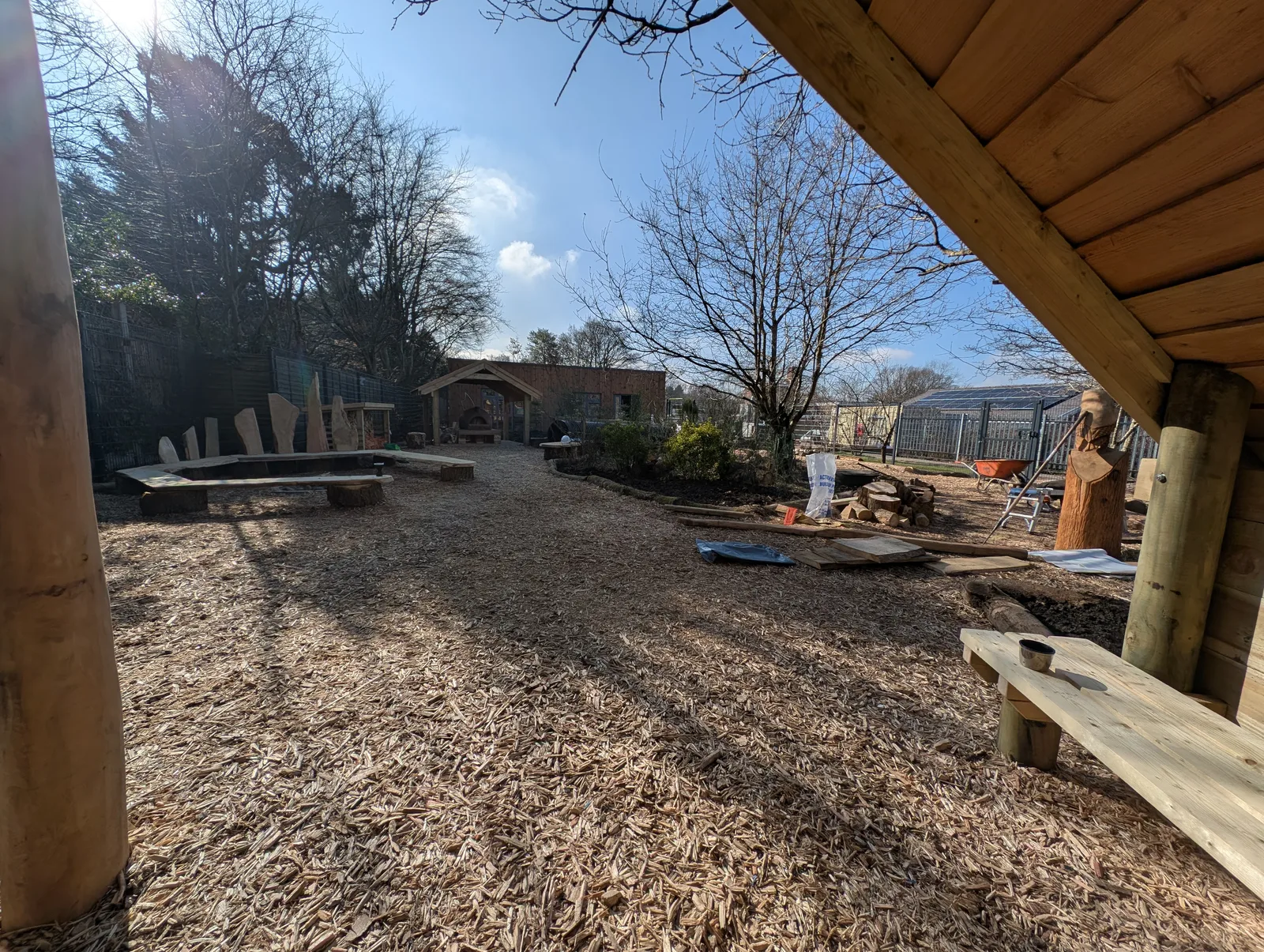
If you're building any structures or making landscape changes to support your forest school—like paths, seating areas, or water features—professional landscaping services can help you create durable, safe infrastructure that integrates beautifully with the natural environment. AKS MultiTrade can advise on outdoor structures and landscape design that complement forest school activities.
Review and Adapt as You Go
Your forest school won't be perfect on day one. Build in regular review cycles—monthly check-ins with staff, termly evaluations with participants and families, and annual strategy reviews.
Ask yourself: Are participants learning and developing? Is the space working well? Are staff confident? Are parents happy? What's not working? What surprised you?
Use this feedback to refine your policies, adjust your activities, improve your risk management, and evolve your approach. A forest school is a living thing—it changes as you learn and grow.
Key Takeaways for Getting Started
Designing an outdoor forest school means working through a checklist: secure your location, build your team, do thorough risk assessments, write your policies, plan your programme, handle the paperwork, prepare for weather, invest in staff development, connect locally, and keep reviewing what you do.
It's a lot to organize, but it's also genuinely rewarding. A well-run forest school gives participants something you can't create in a classroom: direct experience of nature, real risk and real learning, and the space to grow at their own pace.
Take your time with the setup. Talk to other forest school leaders. Access planning guides and frameworks designed for practitioners just like you. Get the foundations right, and your forest school will thrive.
Related: Plumbing Design for New Bathrooms: A Homeowner's Guide
Related: Timber Outbuilding Design and Construction: A Complete Guide
Related: Forest School Outdoor Space Design for Learning & Nature
Do I Need a Specific Location to Start a Forest School?
Yes. You need access to a natural or semi-natural outdoor space with trees and varied terrain, where you have formal permission to run regular sessions. This could be woodland, parkland, or a managed green space. The location must be safe, accessible to your participants, and suitable for the activities you're planning.
What Qualifications Do Forest School Leaders Need?
While there's no single legal requirement, pursuing formal Forest School leader training through an accredited programme is highly recommended. These courses teach outdoor pedagogy, risk management, and safeguarding. Qualified leaders give your forest school credibility and ensure you're following best practice. Ongoing practitioner development keeps your team skilled and engaged.
What Happens if Someone Gets Hurt at Forest School?
You need robust policies and procedures for emergencies. This includes first aid training for staff, a clear incident reporting system, emergency contact protocols, and appropriate insurance (outdoor education liability cover). Part of your risk assessment involves identifying potential injuries and putting controls in place to prevent them. Document everything and review incidents to prevent recurrence.
Can a Forest School Operate Year-Round in Northamptonshire?
Yes, with the right preparation. British forest schools operate in all seasons. You'll need weatherproof storage, shelter options, appropriate clothing advice for participants, and clear protocols for extreme weather (high winds, ice, very high temperatures). Your programme will naturally vary through seasons—winter might focus on shelter-building, spring on emerging life, and so on. Plan for seasonal changes rather than closing during certain months.
Helpful links
AKS MultiTrade Quick Facts
- Location: Northampton
- Services: Plumbing; Bathroom Renovation; Bespoke Outbuildings; Landscaping; Watergardens