

What is Forest School Outdoor Space Design?
Forest school outdoor space design is about creating a natural learning environment where children can explore, play and discover nature as part of their education. It's not just a garden with a few benches thrown in. It's a thoughtfully planned outdoor classroom that brings the woodland indoors, so to speak.
The whole idea is to give kids a space where they can connect with nature while learning real skills like observation, problem-solving and independence. Whether you're planning this for a school, nursery or even a family property in Northamptonshire, Milton Keynes, Kettering, Wellingborough or Daventry, the design principles are the same.
Why Your Forest School Space Needs Proper Design
A forest school outdoor space isn't just pretty. It's functional. Kids need to move around freely, teachers need places to gather groups, and the whole setup has to work for actual learning activities.
Related: How to Design an Outdoor Forest School: A Practical Setup Guide
Without thoughtful design, you end up with a space that looks nice but doesn't actually serve anyone. Maybe there's nowhere to sit comfortably. Maybe hand-washing isn't convenient, so hygiene suffers. Maybe the trees are scattered randomly instead of creating that immersive woodland feel that makes outdoor learning so powerful.
Good design means every part of your outdoor learning environment has a purpose. That's what makes it work.
Start With Natural Materials and Tree Placement
The foundation of any forest school outdoor space design is using natural materials. Wood, stone, earth, plants. That's it. These materials create the right atmosphere and they weather beautifully over time.
Trees are your biggest design feature. But here's the key: plant them in groves rather than scattering individual trees around. Groves create that sense of being in the woods. They give you shaded areas for hot days. They create natural boundaries and secret spots for exploration.
When you're thinking about tree placement, consider what you want underneath. Dense groves work for quiet areas. More open spaces with scattered trees work for active play and gathering areas.
Plan Flexible Seating and Gathering Spaces

Your outdoor learning environment needs seating areas that actually work for teaching. Not picnic tables lined up in rows. Think differently.
Flexible seating means students can move freely and shift how they're positioned during different activities. This might be log rounds arranged in a circle. It could be natural stone seating built into a slope. Maybe it's a combination of different heights and textures so kids can sit, stand, lean or recline depending on what they're doing.
Spread these seating areas throughout your space. Don't clump them all in one spot. A gathering area near the entrance for morning meetings. A quiet zone under trees for journal writing and observation. An open space for group activities and movement.
The key is that each area feels distinct and purposeful. Kids know where to go for different types of learning.
Hand-Washing Stations are Essential Infrastructure
This isn't glamorous, but it's absolutely critical. Hand-washing stations need to be integrated into your forest school outdoor space design from the start, not added as an afterthought.
Kids are going to get muddy. They'll touch soil, plants, maybe water features. Regular hand-washing keeps everyone healthy. Without convenient access to water and soap, hygiene breaks down and parents get nervous.
Your hand-washing station should be:
- Close to main gathering areas and entry points
- Easy to use for different heights (so children of various ages can reach)
- Built with natural materials that fit your overall design aesthetic
- Connected to proper drainage so water doesn't pool
This is where having experienced landscaping specialists matters. They'll make sure drainage works properly and the infrastructure blends seamlessly into your natural outdoor learning environment.
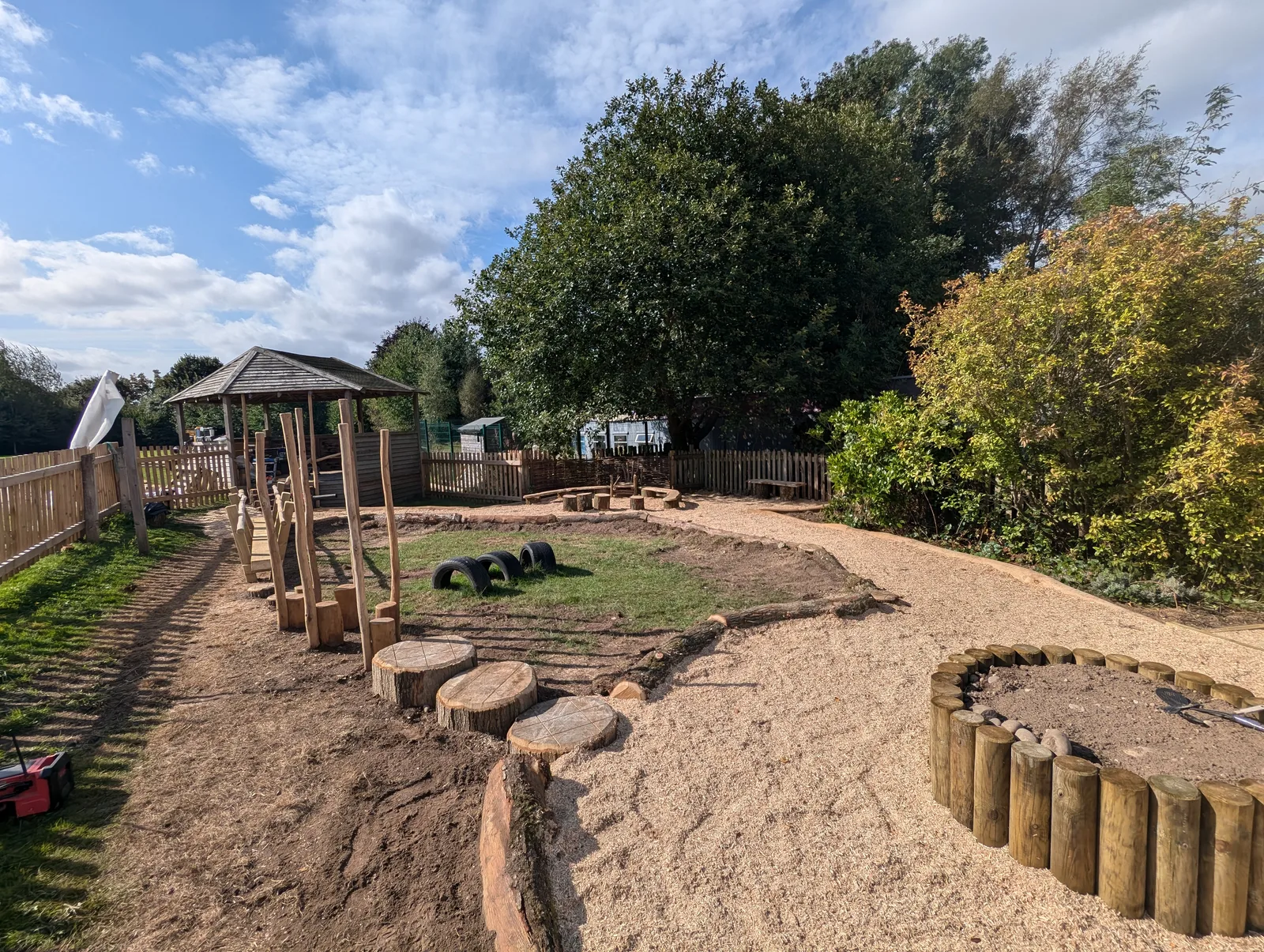
Create Distinct Zones for Different Activities
Your forest school outdoor space works better when different areas serve different purposes. This doesn't mean rigid separation. It means intentional design that guides how kids use the space.
A natural area with trees or fields is perfect for observation activities and data collection. Kids can sit quietly, journal, sketch, count insects or watch wildlife. The woodland setting makes it feel like real science, not schoolwork.
Open areas with good ground coverage work for movement and play. That's where kids run, play games or do activities that need more space.
Covered areas under trees or in sheltered spots work for wet weather teaching. You want kids outside even when it's drizzly, and a tree canopy or a well-designed shelter keeps everyone mostly comfortable.
Think About Wildlife and Natural Elements

Your outdoor learning environment becomes richer when it supports actual wildlife. This isn't complicated.
Native plants attract insects, birds and small creatures. Kids learn way more from observing real animals than from pictures in books. Trees create habitat. Water features (if you include them) bring in frogs, dragonflies and birds.
Even simple things matter. Leaving some areas a bit wild and unmown. Creating little sheltered spots where animals live. Choosing plants that flower at different times so there's always something to observe.
This turns your forest school outdoor space into an actual ecosystem kids can study and explore.
Plan for Regular Maintenance and Updates
A forest school space isn't a set-it-and-forget-it thing. Trees grow and create new shade patterns. Plants thrive or need replacing. Seating areas wear down. Weather affects drainage and ground conditions.
The best outdoor learning environments improve over time because staff regularly refine them. You might discover that a seating area works better in a different location. Maybe you need more shade in summer. Perhaps you want to add more sensory elements like different textures and sounds.
Budget for seasonal updates and maintenance. Woodland management keeps your trees healthy. Ground maintenance keeps paths safe. Regular planning keeps everything working as an actual teaching space, not just a nice garden.
Build Bespoke Structures That Fit Your Space
If you're creating a really special forest school outdoor space design, bespoke timber structures can transform how kids use the environment. A simple shelter for wet weather. A small platform for gatherings. A bench carved from natural materials that becomes a landmark in the space.
These aren't generic playground equipment. They're designed specifically for your outdoor learning environment. They use natural materials that age beautifully and feel like part of the woodland, not like they were plonked in from a catalog.
For families in the Northampton area building educational outdoor spaces or property owners creating nature-connected environments, working with experienced landscaping specialists who understand natural design makes a real difference.
Getting Your Design Right From the Start
The best forest school outdoor space design comes from proper planning before you dig anything or place materials. Think about how kids will move through the space. What activities happen where. How weather affects different areas. Where water drains. How trees will grow and change things over years.
Sketch it out. Walk the space at different times of day and seasons. Imagine how teaching will actually happen there. That's when you spot problems and opportunities before they cost time and money to fix.
If you're in Milton Keynes, Kettering, Wellingborough, Daventry or surrounding areas and you're planning a serious outdoor learning environment or natural garden space with bespoke elements, getting proper design consultation upfront saves headaches later.
What's the difference between forest school design and a regular school garden?
Forest school design prioritizes immersion in nature with intentional woodland atmosphere, flexible movement and outdoor learning as the core purpose. Regular school gardens might focus more on growing plants or vegetables. Forest school spaces are built around educational exploration and nature connection.
Do I need special trees for a forest school space?
Native trees that suit your local climate work best. They support local wildlife, require less maintenance and create the right woodland feel. Planting them in groves rather than individually is what creates the immersive effect.
How much space do I need for a forest school outdoor learning environment?
Even a modest area can work if it's designed well. What matters more than size is how thoughtfully you use the space. Clear zones, good tree placement and proper seating areas make a smaller space feel purposeful and full of possibilities.
Can I add water features to my outdoor learning environment?
Yes. Water features like small ponds or streams add huge educational value and attract wildlife. They need proper design for drainage and safety, so working with specialists who understand natural landscaping ensures they work well year-round.
Helpful links
AKS MultiTrade Quick Facts
- Location: Northampton
- Services: Plumbing; Bathroom Renovation; Bespoke Outbuildings; Landscaping; Watergardens