

A wooden vegetable box is simply a raised garden bed made from timber. It sits above ground level, giving you a contained space to grow vegetables, herbs and flowers without digging into your existing soil. They're popular with homeowners because they're easier to maintain than ground-level gardens, they reduce back strain when you're planting and weeding, and they let you create higher yields even in a compact backyard.
If you're thinking about adding one to your garden in Northampton, Kettering, Wellingborough or elsewhere across Northamptonshire, this guide covers everything you need to know about choosing, setting up and using wooden vegetable boxes.
Related: Creating a Fairy Garden in a Tree: A Complete Guide
Related: Toilet and Tap Basin Replacements: A Practical Guide
Related: How to Design an Outdoor Forest School: A Practical Setup Guide
Why Choose Wooden Vegetable Boxes?
Wooden raised beds offer real practical benefits. Because they sit at a higher level, you don't have to bend as far to plant seeds or harvest your crop. This makes gardening more comfortable, especially if you have back pain or mobility concerns.
They also give you control over your soil quality. You fill the box with compost and growing medium tailored to what you want to grow, rather than relying on whatever soil is already in your garden. This is especially useful if your existing garden has poor drainage or compacted earth.
Wooden boxes are also flexible. You can place them anywhere you have space, and they suit gardens of any size. Whether you have a large backyard or just a patio in a Northampton town house, you can fit at least one box. Multiple boxes let you grow a wider variety of crops and rotate what you plant each season.
Materials and Durability
The best wood for vegetable boxes is cedar. It's naturally resistant to rot and decay, so it lasts much longer than softer timbers. Cedar weathers beautifully over time, developing a silvery-grey patina if left untreated, and it doesn't need paint or chemical sealers to stay functional.
Other timbers like oak can work too, but they'll break down faster outdoors. Avoid pressure-treated wood if you're growing food for eating. Stick with untreated or naturally rot-resistant options.
Cedar costs more upfront, but the durability means you're investing in a bed that will serve your garden for many years. AKS MultiTrade specialises in bespoke timber structures, and if you're considering a larger garden project that combines raised beds with other features like bespoke timber outbuildings or natural landscaping, we can help you integrate everything into a cohesive design.
Standard Sizes and Depths
Wooden vegetable boxes come in many dimensions, but certain sizes work particularly well for home gardeners.
A common height is around 30 inches (roughly 75 centimetres). This height reduces the need to bend while you work, making planting and maintenance much easier. Shallower boxes, perhaps 12-15 inches deep, are fine for shallow-rooted crops like lettuce, spinach and herbs. But if you want to grow deeper-rooted vegetables like carrots, parsnips or potatoes, aim for a depth of 16 inches (around 40 centimetres) or more.
Lengths and widths vary. A 48-inch by 24-inch box (roughly 1.2 metres by 60 centimetres) is popular because it's large enough to grow plenty of crops but still easy to reach into from the sides without stepping on the soil. Smaller boxes, say 24 by 24 inches, work well if space is tight.
The key is finding dimensions that fit your garden and your reach. You want to be able to access the middle of the box without stretching too far.
Planting Depth and What You Can Grow
Planting depth matters because different vegetables need different root room. Most common garden vegetables are happy with 12 inches of soil. This includes lettuce, chard, beans, courgettes and most herbs.
If you go deeper, to 16-18 inches, you can grow larger crops. Root vegetables like carrots, beetroot and parsnips need good depth. Tomatoes, peppers and aubergines also benefit from deeper soil, as do potatoes if you want a proper yield.
The upside is that even shallow boxes are useful. You can grow herbs, salads and shorter vegetables successfully. You don't need an enormous box to get started. Many people begin with one modest box and add more as they get the hang of it.
Assembly and Setup Options

You have two main routes: buy a pre-made kit, or have one built bespoke for your space.
Pre-made kits are widely available and come with all the pieces ready to assemble. They're convenient and reasonably straightforward to put together, though some assembly is still required. They work well if you know exactly what size you want and your garden layout is straightforward.
If your garden is irregular, shaded in certain spots, or you want the box to match other features, a bespoke wooden box designed and built by a professional is a better option. This is where experience with timber and garden design pays off. You get a box that fits your space perfectly, uses quality materials, and integrates with any wider garden plans you're considering.
Placement and Garden Layout
Where you place your vegetable box affects what you can grow. Most vegetables prefer at least 6-8 hours of direct sunlight daily. Lettuce and some leafy greens tolerate partial shade, but tomatoes, peppers and root crops need full sun.
Check the spots in your garden where the sun shines for most of the day. North-facing walls and dense shade aren't ideal. South-facing positions, or spots that get morning and midday sun, work best.
Also think about water access. You'll need to water regularly, especially in dry spells. Being close to an outdoor tap or hose connection makes this easier. If watering is inconvenient, you're more likely to skip it during busy weeks, and your crops will suffer.
Consider the overall look too. A wooden vegetable box should fit naturally into your garden design, whether that's a modern space with clean lines or a more traditional landscape. If you're planning a wider garden transformation across Northampton or Wellingborough, integrating raised beds thoughtfully as part of a sustainable garden design makes sense. Professional guidance helps you get the layout right.
Building and Construction Quality
If you're having a wooden vegetable box built, quality matters. Proper construction means corners are reinforced, joints are solid, and the wood is cut accurately so the finished box sits level and doesn't twist or warp.
A well-built box will last. A poorly built one might start to sag or fall apart within a couple of years. This is why it's worth paying a bit more for proper workmanship.
The base also matters. Your box sits on the ground, so you need to decide whether to let it sit directly on soil or to level the ground first. If you're serious about a bespoke garden structure, professional landscaping services can prepare the site properly, ensuring your box sits evenly and drains well.
Filling Your Box and Getting Started
Once your wooden vegetable box is in place, you fill it with soil. Use a mix of compost and topsoil. Some gardeners add a layer of card or newspaper to the bottom first, which breaks down over time and helps suppress weeds creeping up from below.
The quality of your soil directly affects your crops. Cheap, poor-quality compost will limit your results. It's worth investing in good growing medium. This gives your vegetables the nutrients and structure they need to thrive.
Water retention is important too. Quality compost holds moisture better than sandy soil, which means you'll water less frequently during dry spells. This saves you time and effort through the growing season.
Maintenance and Seasonal Care
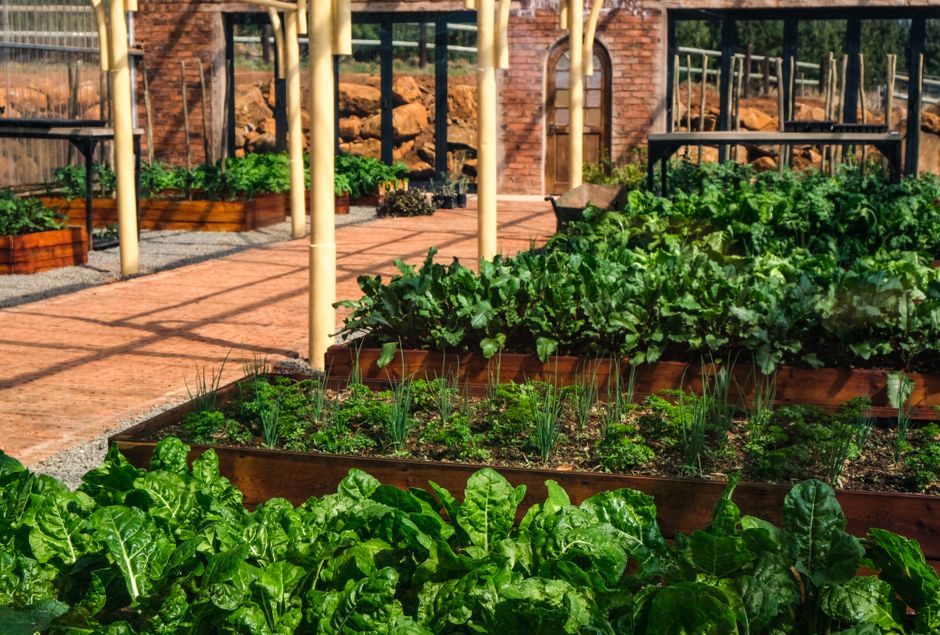
Wooden boxes need minimal upkeep. You don't need to paint or stain untreated cedar. It will age naturally and remain functional for years.
Seasonally, you might top up the soil if it settles, refresh the compost every few years as it breaks down, and clear out old plant material at the end of the season. Rotating what you plant in each box from year to year also helps avoid nutrient depletion and disease buildup.
If the wood does eventually show signs of decay after many years, you can replace boards or have the whole structure rebuilt. By that point, you'll have grown a lot of food.
Integrating Vegetable Boxes into Wider Garden Plans
Vegetable boxes work best as part of a thoughtful garden plan. If you're considering larger changes, like adding bespoke garden outbuildings, ponds or water features, natural landscaping, or even extending your home, having a cohesive vision helps. A professional can show you how raised beds fit into the bigger picture, where they sit best for function and appearance, and how to make sure they complement other elements.
If you're in Northampton, Milton Keynes, Kettering, Wellingborough, Daventry or the surrounding areas and you'd like expert advice on integrating vegetable boxes into a broader garden or home project, AKS MultiTrade can guide you through the options and help bring your vision to life.
Key Takeaways
- Wooden vegetable boxes give you easy, elevated gardening with better control over soil quality.
- Cedar is the best material for durability and longevity.
- Standard heights around 30 inches make planting comfortable; depths of 12-18 inches suit most vegetables.
- Place your box where it gets good sunlight and is easy to reach for watering.
- Quality construction and good-quality compost are worth the investment.
- Raised beds fit well into wider garden designs and work alongside other landscaping features.
Frequently Asked Questions
How long do wooden vegetable boxes last?
Cedar boxes, if built well and left untreated, typically last 10-15 years or more. They weather naturally and don't require paint or chemical treatments. As the wood ages, it becomes silvery-grey but remains structurally sound for growing food. Eventually, individual boards might need replacing, but the overall structure is durable.
Can I grow vegetables in a box that's less than 12 inches deep?
Yes, you can grow shallow-rooted crops like lettuce, spinach, radishes, herbs and salad leaves in boxes 8-10 inches deep. Just avoid larger vegetables like tomatoes, carrots and potatoes, which need more root space. Shallow boxes are perfect if you want to start small or have very limited space.
What's the best orientation for a vegetable box?
Position your box so the long sides run north-south. This lets you access both sides easily and helps shade-tolerant plants on the north side while allowing full-sun crops on the south side to get maximum light. However, the most important thing is simply choosing a spot with enough sunlight for what you want to grow.
Do I need to line the bottom of my wooden vegetable box?
It's not essential, but many gardeners lay down cardboard or newspaper at the bottom. This suppresses weeds creeping up from the soil below and breaks down over time, adding organic matter. If your box sits on very compacted soil or clay, the lining also improves drainage by creating a barrier that lets water move through the box rather than pooling at the base.
Helpful links
AKS MultiTrade Quick Facts
- Location: Northampton
- Services: Plumbing; Bathroom Renovation; Bespoke Outbuildings; Landscaping; Watergardens