
Sustainable Garden Design Principles for Northamptonshire Homes
Your garden doesn't have to be a resource drain. With the right sustainable garden design principles, you can create an outdoor space that looks beautiful, feels great and actually helps the environment instead of working against it.
Whether you're in Northamptonshire, Milton Keynes, Kettering, Wellingborough, Daventry or the surrounding areas, applying these principles means thinking carefully about water, soil, plants and maintenance from the start. Get it right and you'll have a garden that practically looks after itself.
Related: Eco-Friendly Garden Design Services for Northamptonshire Homes
Related: Landscape Design for Residential Properties in Northamptonshire
Related: Luxury Bathroom Design Ideas for Northampton Homes
Start With a Proper Plan, Not Guesswork
The biggest mistake people make is diving straight into planting without a clear vision. Sustainable garden design starts on paper, not in the soil.
Spend time thinking about what you actually want from your space. Do you need a quiet retreat? A place for the kids to play? Somewhere to grow things? A spot for entertaining? Your answers shape everything that comes next.
Once you know what you want, map out your garden layout thoughtfully. Where does the sun hit? Which areas get shade all day? Where does water naturally pool after rain? This matters because you're about to make decisions that'll stick around for years.
A proper plan also means you'll know exactly what plants and materials you need. No waste, no overbuying, no ripping things out six months later because they're in the wrong spot.
Water Matters More Than You Think
Water is precious, and your garden shouldn't be guzzling it like there's no tomorrow. Smart water use is at the heart of sustainable garden design principles.
Start by choosing the right plants. Native plants that thrive naturally in your local climate need way less watering once they're established. They've evolved to handle the weather patterns you get in Northamptonshire, which makes them far less thirsty than exotic species.
Consider installing drip irrigation instead of sprinklers. It delivers water slowly and directly to plant roots where it's actually needed, not wasted on leaves or bare soil.
Rainwater harvesting is another game-changer. A simple butt collects roof runoff that you can use during dry spells. It's free water that would otherwise run away, and your plants don't know the difference.
Choose Native Plants That Actually Belong Here
Native plants aren't just trendy. They're the backbone of sustainable landscaping because they work with your local environment instead of against it.
Plants that naturally grow in the UK need less fussing, less feeding and way less water than something exotic that wishes it was somewhere else. They also support local insects and wildlife, which means your garden becomes part of the local ecosystem instead of an isolated bubble.
That doesn't mean your garden has to look wild or boring. Native species come in all shapes, sizes, colours and textures. You can create something stunning that's also genuinely sustainable.
Edit What You Already Have
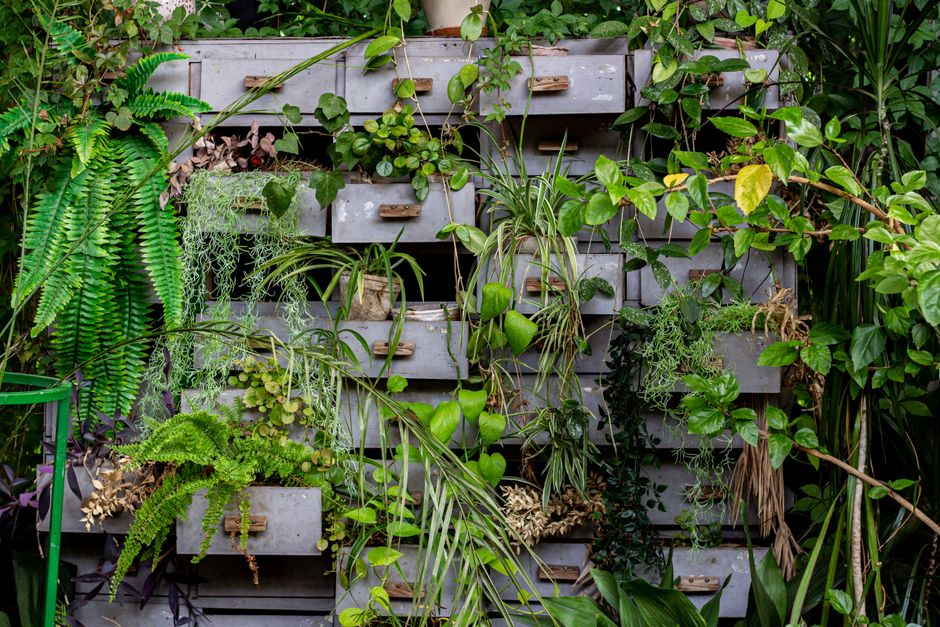
You don't always need to start from scratch. Sometimes the most sustainable thing you can do is look at what's already growing and make it work harder for you.
If your garden's overgrown and messy, consider simplifying it. Remove trees or plants that aren't earning their space. You'll immediately reduce maintenance needs, and you've just avoided buying new stuff and creating waste.
Got plants in the wrong spots? Move or divide them instead of yanking them out and buying new ones. You'll optimize your space and reduce the number of new plantings you actually need.
This kind of plant editing also opens up room for focal points. A strategically placed specimen plant or even a well-chosen container can give your garden structure and visual interest without adding clutter.
Think About Soil and Raised Beds
Healthy soil is the foundation of any garden, sustainable or not. Degraded soil means more work, more inputs and worse results.
If your existing soil isn't great, raised beds give you complete control. You fill them with quality compost and soil, they warm up faster in spring, and water management becomes way easier. They're also lower-maintenance because you're not fighting existing drainage or compaction problems.
Adding organic matter to your soil year after year improves structure, water retention and life. It's not expensive, it's genuinely sustainable and it pays back in healthier plants.
Create a Layout That Works For You
The layout of your garden affects how it functions, how it looks and how much work it takes to maintain.
Think about paths and zones. Where do people naturally walk? What areas need to be functional versus ornamental? A well-organized layout with clear zones feels bigger, works better and needs less maintenance.
Group plants with similar water needs together so you're not overwatering some while others dry out. Position higher-maintenance plants closer to the house where you'll notice them and tend them. Tuck tougher, low-maintenance stuff in corners that you'll barely visit.
If you're thinking bigger, maybe a water garden or bespoke timber structures, those elements need to sit within a coherent overall design. That's where working with professionals who understand landscaping and garden design becomes invaluable. At AKS MultiTrade, we help you design outdoor spaces that blend natural landscaping with water features and timber structures that work together beautifully.

Low-Maintenance Doesn't Mean No Design
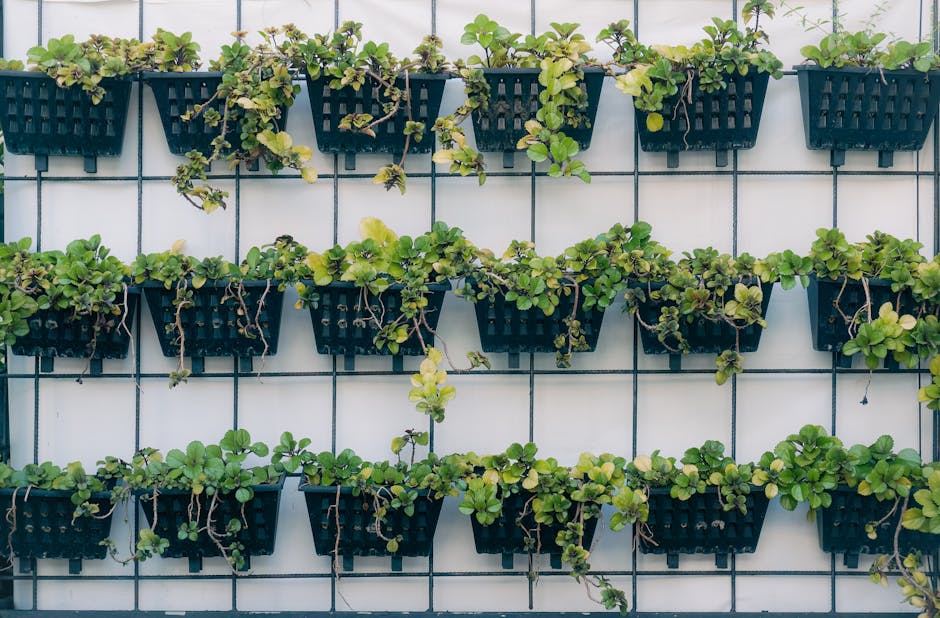
Sustainable gardens should be low-maintenance, but that's not an excuse for lazy design. In fact, the best sustainable gardens are thoughtfully designed right down to the smallest detail.
A low-maintenance garden is one where the hard graft happens upfront through planning and planting, then it mostly looks after itself. You've done the thinking so the garden doesn't need constant rescuing.
Use focal plants or containers to create visual interest. Layer different textures and shapes. Mix evergreens with seasonal interest. A carefully planned low-maintenance garden is just as beautiful as a high-maintenance one, and you'll actually enjoy it instead of resenting all the work.
Bringing It All Together
Sustainable garden design isn't one magic formula. It's a collection of thoughtful choices that add up to an outdoor space that works with nature rather than against it.
Start with a clear plan. Choose plants that belong in your climate. Treat water as the valuable resource it is. Simplify what's already there. Think about soil health and layout. And remember that sustainability and beauty aren't opposites, they're best friends.
If you're tackling something bigger, like incorporating water gardens, ponds or bespoke timber structures into a sustainable design, that's where expertise really pays off. You want everything to work together seamlessly, not just look nice.
Related: Bespoke Garden Outbuildings: Design & Build Guide
FAQs About Sustainable Garden Design Principles
What are the main sustainable garden design principles?
The core principles are reducing water waste through smart plant selection and irrigation, choosing native plants, managing soil health, thoughtful layout planning, and editing existing plants rather than always starting fresh. Basically, you're designing a garden that works with your local environment instead of against it.
How do native plants help with sustainable garden design?
Native plants are adapted to your local climate and soil, so they need less water, fertilizer and fussing once established. They also support local insects and wildlife. In Northamptonshire and the surrounding areas, native plants are simply better suited to what nature throws at them, which means less work and fewer inputs from you.
Do sustainable gardens take longer to establish?
Not really. The upfront work is planning and choosing the right plants, which you do before anything goes in the ground. Once established, sustainable gardens actually take less ongoing maintenance than traditional ones because everything's designed to work efficiently from day one.
Can I make my existing garden more sustainable without starting over?
Absolutely. Start by editing what you have, moving plants around, improving soil with organic matter and installing smarter irrigation. These changes make a real difference without the waste and expense of a complete redesign.
Helpful links
AKS MultiTrade Quick Facts
- Location: Northampton
- Services: Plumbing; Bathroom Renovation; Bespoke Outbuildings; Landscaping; Watergardens