

A wooden herb garden brings fresh herbs within arm's reach of your kitchen and adds a natural, attractive touch to any home. Whether you're growing basil on a sunny windowsill or creating a dedicated herb bed in your garden, wooden planters offer durability, style and the right environment for herbs to thrive.
The beauty of a wooden herb garden is its flexibility. You can start small with a single planter on your counter, or build out a larger setup in your outdoor space. Either way, the fundamentals stay the same: good wood, proper drainage, decent soil and the right location for sunlight.
Why Wood Works for Herb Gardens
Wood is a natural choice for herb gardening. It looks good, it's easy to work with, and it creates an environment where herbs grow well. Unlike plastic, wood doesn't hold excessive heat in summer, and it doesn't look out of place in a kitchen or garden setting.
Pine and fir are the most common choices for herb garden boxes because they're affordable and readily available. These softwoods weather nicely over time, developing a silvery-grey patina if left untreated, or they can be sealed to maintain their original colour.
Hardwoods like oak or cedar are more durable and naturally resistant to rot, though they come at a higher cost. Cedar has the added benefit of a pleasant aroma and natural properties that some gardeners find appealing.
The key is choosing wood that's been treated safely for food gardening. Avoid treated timber that contains harmful chemicals; stick with untreated softwood or naturally rot-resistant hardwoods instead.
Popular Wooden Herb Garden Designs
There are several styles of wooden herb garden to choose from, depending on your space and how many herbs you want to grow.
- Wooden crate planters: Reclaimed or new wooden crates with handles make portable, rustic herb gardens. Rope handles let you move them easily between sunny spots or from indoors to outdoors.
- Tiered or stepped planters: These designs stack multiple levels, maximizing growing space in a small footprint. Each tier holds its own soil and plants.
- Long wooden boxes: Simple rectangular planters work well along a windowsill, balcony or garden edge. They accommodate several herb varieties in one bed.
- Hexagonal or raised designs: Angular wooden structures add visual interest and can be built to fit awkward spaces or create focal points in a garden.
Each design has trade-offs. Crates are portable but hold less soil; long boxes are practical but take up more space; tiered planters maximize growing room without sprawling outwards.
Indoor Wooden Herb Gardens for Kitchens
If you want fresh herbs within reach while cooking, an indoor wooden herb garden on your kitchen counter or windowsill is ideal. Compact planter kits fit neatly on shelves, and their small footprint means they won't dominate your workspace.
Indoor setups usually include a wooden box frame with space for multiple small pots or biodegradable peat pots. This design lets you grow several herb varieties (basil, parsley, chives, thyme, rosemary) in one container without tangling their roots.
The location matters enormously for indoor herbs. Most culinary herbs need 6-8 hours of direct sunlight daily. A south-facing windowsill is ideal in the UK; if your kitchen doesn't get that much natural light, your herbs will become leggy and weak. North-facing windows typically won't work without supplementary grow lights.
Watering is easier indoors because you control the moisture directly. The soil should be moist but never waterlogged; soggy roots cause rot. Most wooden planters have drainage holes to let excess water escape, which is essential.
Outdoor Wooden Herb Gardens
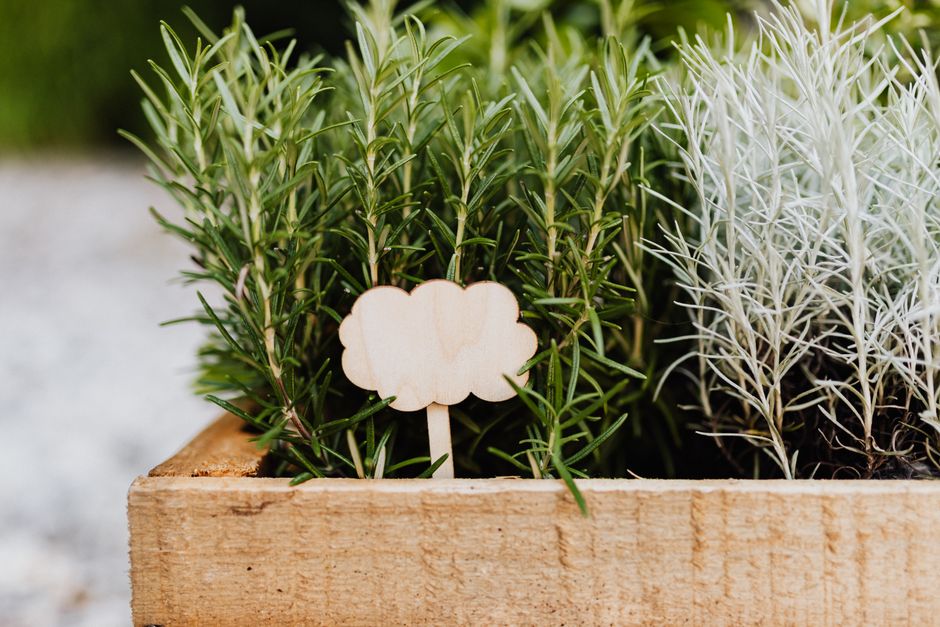
Outdoor herb gardens give you room to grow more plants and benefit from natural rainfall and airflow. A wooden raised bed or ground-level box provides better drainage and easier access than planting straight into the soil.
Outdoor location is just as important as indoors. Full sun (6-8 hours daily) suits most culinary herbs. In summer, some herbs like mint and parsley appreciate afternoon shade in very hot weather, but they'll still need good morning light.
Wooden beds exposed to weather need attention over time. Untreated softwood will naturally rot from the inside out, typically lasting 5-10 years depending on rainfall and soil moisture. Hardwoods last much longer. Many gardeners treat their wooden herb beds with a natural oil or food-safe sealant every couple of years to extend their life.
Position your outdoor herb garden near your kitchen door or patio for convenient harvesting. If you're building a substantial permanent structure in your garden, AKS MultiTrade can help with custom bespoke timber design and installation that integrates beautifully with your outdoor space.
Getting Your Wooden Herb Garden Started
Once you've chosen your wooden planter, you'll need quality soil to fill it. Use a light, well-draining potting mix rather than dense garden soil. Potting compost retains moisture but still allows water to drain freely, which herbs prefer.
You can start your herbs from seeds or seedlings. Seeds are cheaper but take longer to reach harvestable size (usually 4-8 weeks). Seedlings from a nursery give you usable herbs within days or weeks.
Add a light layer of compost to the surface each spring to replenish nutrients. Herbs don't need heavy feeding, but a gentle boost helps them keep producing. Liquid fertilizer applied monthly during the growing season also works well.
Keep your herbs pruned regularly. Pinching off new growth at the tips encourages bushier plants that produce more leaves. Use clean pruning shears to avoid damaging stems, and harvest in the morning when essential oils are strongest.
Wooden Herb Gardens and Your Garden Design
A well-placed wooden herb garden ties into your overall outdoor aesthetic. It can sit as a standalone feature, tuck into a border, or integrate into a larger landscaping scheme. Some homeowners combine herb gardens with water features, bespoke timber structures, or more extensive garden redesigns.
If you're planning major outdoor work including garden redesign, raised beds, pathways, or bespoke timber features, professional input ensures everything works together harmoniously. Landscaping and garden design services can help you position an herb garden where it catches the right light, looks balanced with your home, and stays accessible for cooking and harvesting.
Common Questions About Wooden Herb Gardens

What's the best wood for an herb garden planter?
Pine and fir are the most practical choices because they're affordable and available. Cedar or oak last longer but cost more. Avoid treated timber with chemical preservatives; stick with untreated wood or naturally rot-resistant hardwoods. If you're building a permanent outdoor structure, hardwood is worth the investment.
How often should I water my wooden herb garden?
Water when the top of the soil feels dry to touch. In summer, this might be daily or every other day. In cooler months, herbs need less water. Indoor planters dry out faster than outdoor beds because they have less soil mass. Check your planter 2-3 times per week during the growing season and adjust based on what you find.
Can I keep a wooden herb garden indoors year-round?
Yes, if your kitchen gets enough light. Most UK homes have enough winter daylight for herbs on a sunny windowsill, though growth slows in winter. If your kitchen is dim, herbs will struggle unless you add grow lights. Moving a portable planter between your brightest indoor spot and outdoors during summer is also an option.
What herbs grow best in a wooden planter?
Basil, parsley, chives, thyme, rosemary, oregano, mint and sage all thrive in wooden planters. Mint is vigorous and can crowd out other herbs if grown together, so give it its own space. Most culinary herbs prefer the same soil and watering conditions, so you can group them happily in one bed.
Helpful links
AKS MultiTrade Quick Facts
- Location: Northampton
- Services: Plumbing; Bathroom Renovation; Bespoke Outbuildings; Landscaping; Watergardens