
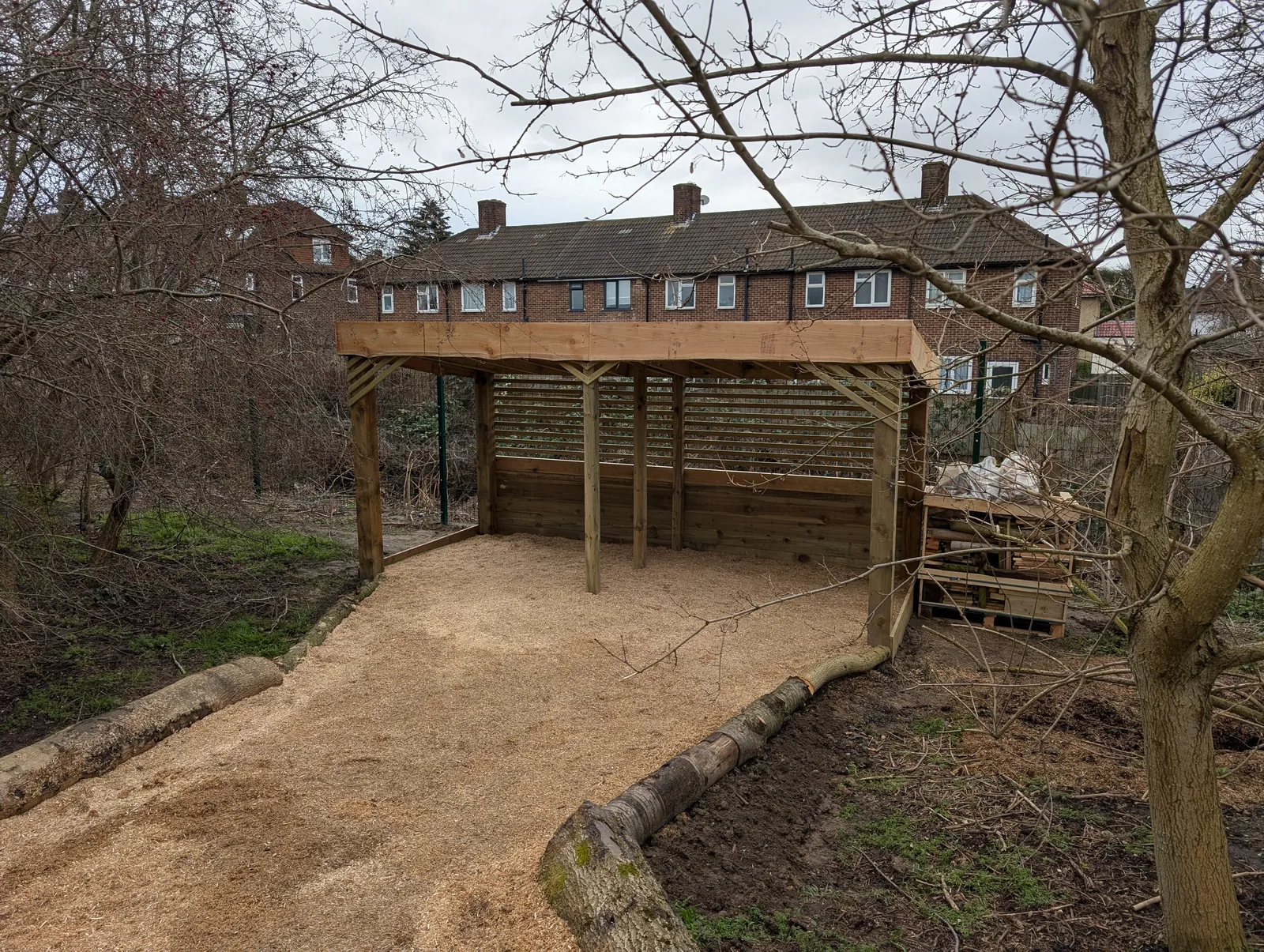
What Are Timber Outbuildings and Why They Matter
A timber outbuilding is basically a standalone structure built from wood, sitting on your property separate from your main house. Think sheds, studios, storage spaces, or even a home office tucked away in your garden.
They're brilliant because they give you extra space without the hassle of extending your house. No planning drama. No complicated builds. Just a solid, good-looking structure that adds genuine value to your home.
The Range of Sizes Available
Timber outbuildings come in all shapes and sizes. You can go compact with a 4x4 feet structure if you just need a storage nook. Or you can go big with something like a 30x14 feet building if you want real workspace or a proper retreat.
The sweet spot for most homeowners? Somewhere in the middle. A 10x8 or 12x10 gives you plenty of usable space without dominating your garden.
Your choice depends on what you actually need it for. A garden storage shed? Smaller works fine. A home office or hobby space? You'll want something bigger where you can move around comfortably.
Design Options That Actually Work
When you're picking a timber outbuilding for your Northampton property, the design shape matters more than you might think.
Apex Roofs
This is the classic pitched roof you see on traditional houses. Water runs off both sides, it looks neat, and it gives you decent headroom in the middle. Perfect if you want something that feels proper and finished.
Pent Roofs
The roof slopes one way. Simpler to build, takes up less visual space, and works great against a garden wall or fence. Good choice if you want something less obtrusive.
Hipex Roofs
All four sides slope down. It's the most elegant option visually. Looks more like a proper building than a shed. Weather protection is excellent too.
Each design has trade-offs. Apex is traditional and reliable. Pent is efficient and practical. Hipex is the looker. Pick based on your garden style and what you're actually using the space for.
Standard vs Bespoke: What's the Difference

You've got two paths. Standard, ready-made sheds that come pre-designed and pre-built. Or bespoke timber outbuildings made just for your space and needs.
Ready-Made Options
These are quicker and often cheaper upfront. You pick a size and design from existing options. Some come as flat-pack kits you assemble yourself or with installation help included. They work if you've got a standard garden and standard needs.
Bespoke Builds
This is where you get something truly custom. Your timber outbuilding matches your garden perfectly. The layout works exactly how you want. The finishes suit your home's style. Want it insulated for year-round use as a home office? Done. Want specific windows positioned for natural light? Easy.
Bespoke takes longer and costs more upfront, but you get something that feels like it belongs in your garden. Not like you plonked a standard box in your yard.
For Northampton properties with distinctive gardens or specific vision, bespoke is almost always the better choice.
What You Can Actually Use It For
Storage is the obvious one. But modern timber outbuildings do so much more.
- Home office or studio space
- Garden retreat or relaxation space
- Workshop for hobbies or projects
- Secure storage for bikes, garden equipment, or seasonal items
- Guest accommodation or sleeping space
- Educational space for kids' activities
The beauty is you get a purpose-built space that keeps life separate. Your home office isn't cramped in a spare bedroom. Your hobbies don't clutter your living areas. Everything has its place.
Planning and Building Regulations Matter
Here's the thing most people get wrong. A timber outbuilding isn't always just "pop it in the garden and you're done."
Most small sheds and storage structures don't need planning permission in the UK. But there are limits on size, distance from boundaries, and how much your garden can be covered by buildings.
If you're going bespoke or substantial, or if your outbuilding will be used as a workspace or guest accommodation, you might need planning permission. Building Regulations also apply depending on what you're building and what you're using it for.
It's worth checking with your local authority before you commit. A quick conversation with your local planning team or a surveyor stops headaches later. And if you're working with professionals, they'll guide you through this anyway.
Materials: Timber and Alternatives

Most outbuildings use softwood timber. It's attractive, works well, and has that natural garden feel. It does need maintenance though—treatment and occasionally repainting to keep it weather-resistant.
Some options use composite materials or cladding that needs less upkeep. These can look good too, depending on your style.
If you want genuine timber that weathers beautifully over time, you're working with something that needs love. If you want low-maintenance, composite or treated cladding gets you there with less effort.
Working With a Proper Builder
Whether you're buying a flat-pack, ordering pre-made, or going fully bespoke, having someone who knows what they're doing makes a massive difference.
A good timber outbuilding builder understands proportions. They know how to position a structure so it looks right in your garden. They handle drainage properly so water doesn't sit around your foundation. They know local conditions and what timber species or treatments work best in your area.
The Northampton area has deep roots in timber construction. There's genuine local expertise here if you look for it.
When you're looking for someone to build or help with your timber outbuilding, ask what they've done before. Look at how they communicate. Reliability matters more than rock-bottom quotes.
Getting the Most From Your Space
Once your timber outbuilding is up, think about how you'll use it day-to-day.
If it's a workspace, position windows where you get natural light but not glare on a screen. If it's storage, plan your layout before you move things in. If it's a retreat, think about seating, lighting, and whether you want electricity run out there.
The best outbuildings are the ones you actually use. So make sure what you're building actually fits how you live.
Next Steps: Getting Started
Start by thinking about what you actually want. Storage? Workspace? A bit of both? How big does it need to be? What style suits your home and garden?
Take photos of your garden from different angles. Measure the space you're thinking of. Walk around and imagine the building in place. Does it feel right? Will it block light or views?
Then talk to someone who builds them. Get a sense of what's possible, what the timeline looks like, and what you should be thinking about. A good conversation early saves confusion later.
Whether you go standard or bespoke, simple storage or fully fitted, the right timber outbuilding becomes a genuinely useful part of your home. Something you'll use and enjoy for years.
FAQs
Do I need planning permission for a timber outbuilding in Northampton?
Most small sheds don't. But size matters, and so does what you use it for. Anything bigger, anything used as accommodation or a business workspace, or anything that breaks local coverage limits might need permission. Check with your local planning authority before you start.
How long does a timber outbuilding last?
A well-built timber structure with proper maintenance easily lasts 20 plus years. Some last much longer. It depends on the timber used, how well it's treated, and how much weather protection you give it. Regular maintenance—treating the wood, checking the roof—keeps it going strong.
Can I use a timber outbuilding as a home office?
Absolutely. Many people do. You'll want it insulated, weatherproofed, and ideally with electricity and good windows. Make sure there's enough headroom and space to actually work comfortably. If it's going to be your proper office, spec it out like you would any workspace.
What's the difference between a shed and a bespoke timber outbuilding?
A shed is standard, pre-designed, quick. A bespoke outbuilding is custom-built for your space and needs. Bespoke costs more and takes longer, but you get something that fits perfectly with your home and garden, rather than a one-size-fits-all box.