
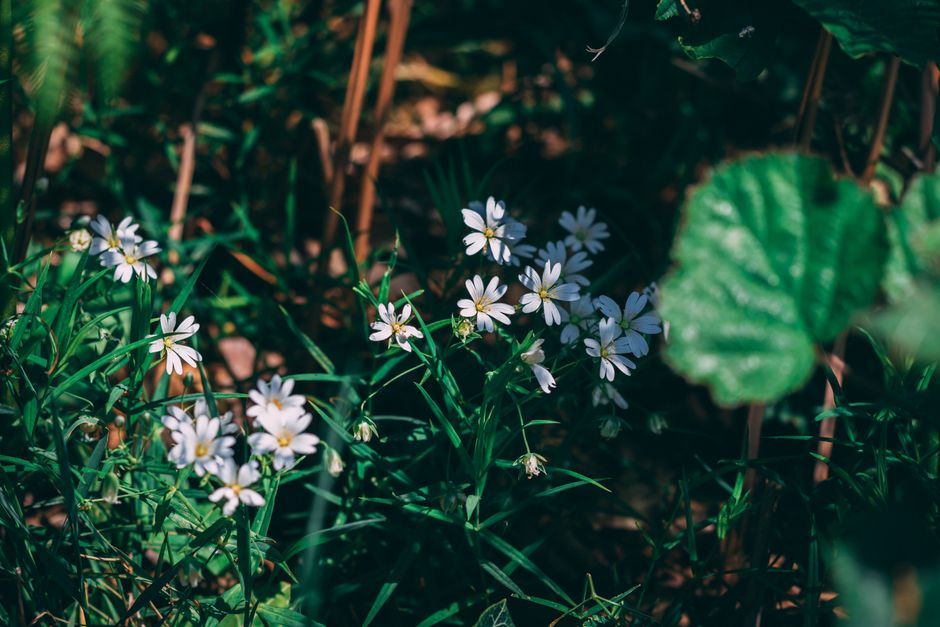
Natural landscaping with native plants is one of the smartest ways to create a garden that practically looks after itself. Unlike traditional gardens full of exotic plants that demand constant fussing, native plant landscapes work with your local climate and soil instead of against them. This means less weeding, less watering, and way less stress for you once everything's established.
If you're thinking about transforming your outdoor space into something beautiful that also helps local wildlife, this guide will walk you through everything you need to know.
What Is Natural Landscaping with Native Plants?
Natural landscaping is about designing your garden to reflect the plant communities that grow naturally in your region. Instead of choosing plants because they look good in a magazine, you pick species that have evolved to thrive in your specific climate, soil type, and rainfall patterns.
Native plants are those that naturally occur in your ecoregion and have adapted to your area's conditions over thousands of years. They need less water, fewer nutrients, and far less maintenance than non-native plants because they're already perfectly suited to where you live.
Why Native Plants Make Sense for Your Garden
There are three big reasons to go native with your landscaping.
Less Work, Better Results
Once established, native plant landscapes require significantly less maintenance than traditional gardens. You're not fighting against nature; you're working with it. That means fewer trips to the garden centre, less fertiliser, less pruning, and way fewer headaches.
Water Efficiency
Native plants are naturally suited to your local rainfall patterns and don't need constant irrigation to survive. This is especially valuable if you're looking to reduce your water usage or live in an area where summer droughts are common.
Wildlife Support
Native plants attract and support local wildlife species that depend on them for food and habitat. Birds, butterflies, bees, and other creatures thrive when they have access to the plants they've co-evolved with. Your garden becomes part of the wider ecosystem instead of isolated from it.
Step 1: Assess Your Site Before You Start
Before you pick a single plant, spend time understanding your specific site conditions. This is the most important step and many people skip it.
Walk around your garden and observe:
- Which areas get full sun, partial shade, or full shade throughout the day
- Where water pools after rain and where it drains away quickly
- What your soil type is (clay, sand, loam, chalky)
- Whether the soil is naturally wet or dry
- Existing features like trees, structures, or slopes that won't change
Spend a few weeks noticing these patterns. A shaded corner that stays damp is completely different from a sunny slope that dries out fast, and you'll choose different plants for each.
Step 2: Research Native Species for Your Region
Once you know your site conditions, research which native plants thrive in similar conditions in your area. The UK has distinct ecoregions with different native plant communities, and your local area will have specific species that love your climate.
Look for plants suited to your exact conditions. You're not just picking "native plants" at random; you're picking native plants that match your sun exposure, soil type, and moisture levels. A plant that's native to your county but prefers boggy ground won't survive in your dry, sunny border.
Consider a mix of:
- Trees and larger shrubs for structure and height
- Medium shrubs for the middle layer
- Herbaceous plants and wildflowers for colour and wildlife food
- Groundcover plants to suppress weeds and stabilise soil
Step 3: Design Plant Communities, Not Just Individual Plants
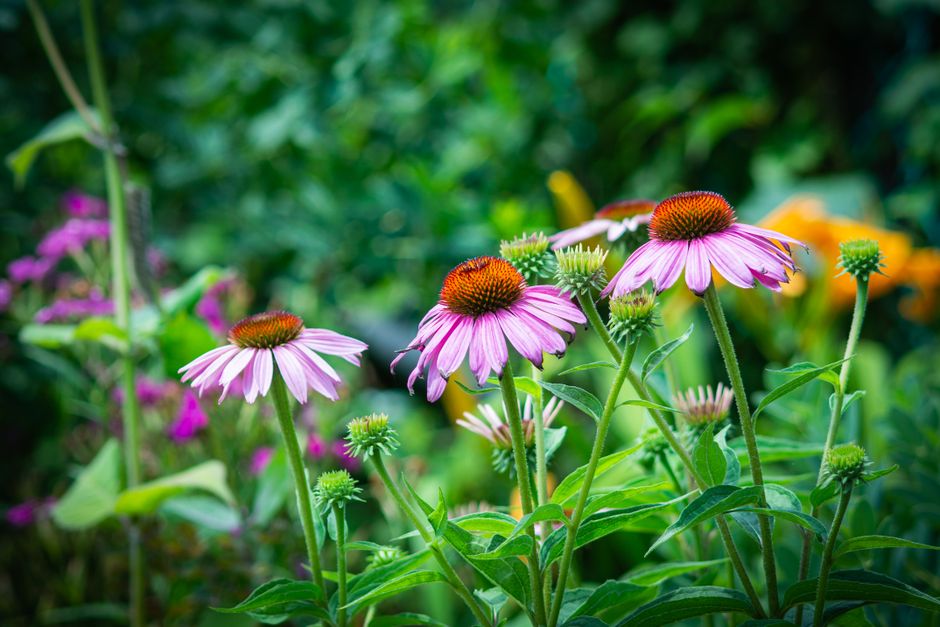
The key to natural landscaping is thinking in communities rather than individual specimens. In nature, plants grow together in groups because they support each other and share similar growing conditions.
Instead of scattering plants randomly around your garden, group plants that naturally grow together. This creates a more resilient landscape that looks coherent and functions like a real ecosystem.
A sunny border might include native wildflowers, a hawthorn shrub, and grasses grouped by their water and light needs. A shaded woodland edge might have shade-tolerant shrubs, ferns, and shade plants at ground level. These groupings suppress weeds better, look more natural, and are easier to manage than mixed borders.
Step 4: Plan the Layout and Practical Details
Now it's time to actually design the layout. Sketch out where different plant communities will go, keeping in mind:
- Sight lines from your house and the rest of your garden
- Paths you need to walk and maintenance access
- Seasonal interest (spring flowers, autumn colour, winter structure)
- Height and spread of plants so they don't shade each other out or crowd together
- Transitions between different communities (drier areas to wetter areas, sunny to shady)
A natural landscape doesn't mean wild or chaotic. You can still have real beauty and intentional design. It just means working with natural patterns instead of against them.
Step 5: Soil Preparation and Planting
Soil is absolutely critical. Native plants need appropriate soil types to thrive, and this is where many natural landscaping projects stumble.
Before planting, amend your soil if needed. If you're planting shade-loving woodland plants and your soil is compacted clay, you might add compost or leaf mould to improve structure and drainage. If you're creating a wildflower meadow and your soil is very rich, you might actually need to reduce fertility to prevent vigorous weeds.
Plant in the right season (usually autumn and spring when the soil is moist), water in well, and add mulch to suppress weeds and retain moisture while plants establish. Don't use plastic sheeting; use organic mulch that will eventually feed your soil.
Step 6: Long-Term Care and Maintenance
This is where natural landscaping shines. Once established (usually after 2-3 years), a native plant landscape needs far less work than you'd expect.
Your main tasks will be:
- Light weeding while plants are young and still establishing
- Minimal watering during the first couple of years; after that, native plants should need little extra water
- Occasional deadheading or light pruning to control spread or encourage more flowers
- Leaving seed heads on plants through autumn and winter to feed birds and insects
- Allowing some leaf litter to stay; it provides habitat and feeds the soil
You're essentially helping nature do what it does best, rather than constantly fighting it.
Combining Natural Landscaping with Structural Features
Natural landscaping works brilliantly when combined with bespoke structural elements. A timber deck, arbour, or garden shelter sits beautifully within a native plant landscape and creates space to enjoy it.
If you're thinking about adding built elements to your garden alongside native planting, AKS MultiTrade can help you create cohesive outdoor spaces that blend natural planting with handcrafted structures.

Water Features and Native Planting
A water garden or pond looks stunning in a native plant landscape and brings even more wildlife benefits. Native plants around water's edge, combined with aquatic native species, create a complete ecosystem.
Whether you're adding a small pond or reshaping your entire landscape around water features, these elements really shine when designed with native plants in mind.
Getting the Design Right from the Start
Natural landscaping is rewarding, but it does require proper planning. Getting your site assessment, plant selection, and layout right at the beginning saves years of disappointment and replanting.
If you'd like expert guidance on designing a native plant landscape or combining planting with structural features like timber outbuildings or garden improvements, AKS MultiTrade offers landscape design and installation services across Northampton, Milton Keynes, Kettering, and surrounding areas. Get in touch for a consultation.
Frequently Asked Questions
Do native plant landscapes really need less water?
Yes. Native plants are adapted to your local rainfall patterns and don't require supplementary watering once established (usually after the first couple of years). They need watering while they're young and their roots are developing, but after that, they survive on natural rainfall and stored soil moisture.
Will a native plant garden look wild or untidy?
Not at all. Natural landscaping can be beautifully designed with clean lines, intentional groupings, and seasonal interest. It just means working with natural plant communities and growth patterns rather than forcing exotic plants into formal arrangements. You get aesthetics and low maintenance together.
Can I mix native plants with non-native plants?
You can, but it defeats some of the purpose. Non-native plants often need more water, feeding, and maintenance, and they don't support local wildlife as well. For the best results and lowest maintenance, stick with native plants for the bulk of your landscape.
How long before a native plant landscape is fully established?
Most native plant landscapes take 2-3 years to become fully established, with plants reaching mature size and needing less intensive care. The first year is about helping plants get their roots down, the second year is when they really start thriving, and by year three, you're seeing the landscape function as it should.