
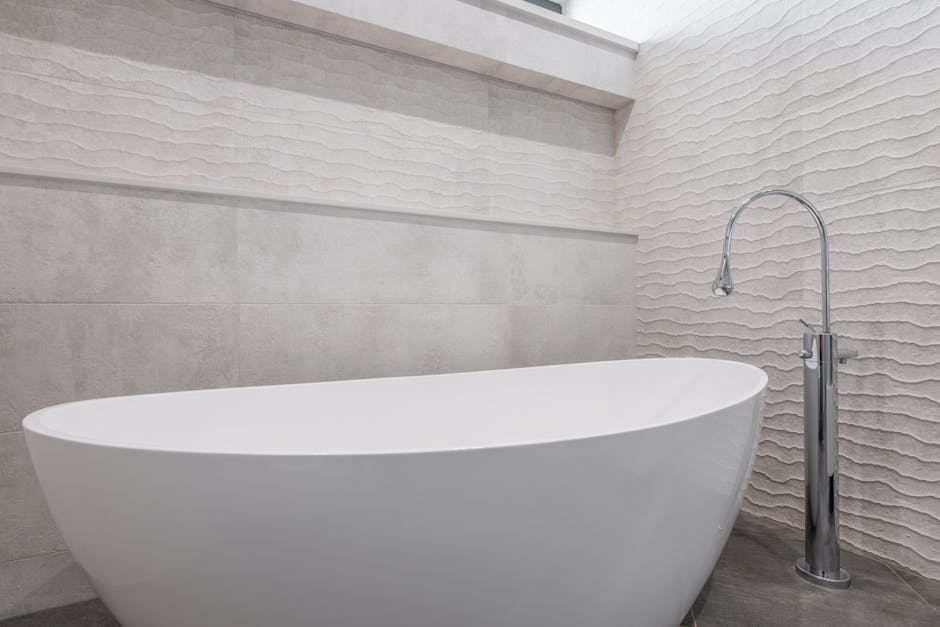
The average cost of fitting a new bathroom depends on so many different things that there's honestly no single figure that applies to everyone. What you'll spend depends on your room size, the materials you choose, how much work needs doing to the existing plumbing and electrics, and how complex the layout changes are.
The good news? Once you understand what moves the needle on cost, you can make smart choices and get an accurate quote. Let's walk through the main factors that influence what you'll pay.
What Really Affects the Cost of Fitting a New Bathroom
The biggest thing that changes your bill is scope. A quick cosmetic update—new taps, fresh paint, maybe a new mirror—costs way less than ripping out everything and starting from scratch. A minor remodel with some fixture replacements and surface updates sits in the middle. A major overhaul with new plumbing runs, electrical rewiring, and a completely different layout? That's the most expensive option.
Here's what moves the dial most:
- Room size. Larger bathrooms need more materials and more labour hours. A compact ensuite costs less than a luxury main bathroom simply because there's less square footage to work with.
- Material selection. Budget tiles and basic sanitaryware cost less than premium finishes. Marble, high-end taps, and bespoke cabinetry add up quickly.
- Plumbing layout. If your new layout means pipes and drains already line up with where you want them, costs stay lower. Moving plumbing around—especially if it involves running new supply lines or waste pipes—adds labour and materials.
- Existing infrastructure. If the pipes, electrics, and structure are already where you need them, you're ahead. If they need moving or upgrading, expect more work and higher costs.
- Demo work. Stripping out old suites, tiles, flooring, and finishes takes time. The more you're removing, the longer the demolition phase.
- Fixture choices. Toilets, sinks, baths, and showers vary wildly in price. Choosing standard over luxury makes a real difference to your total.
Quick Updates vs Full Renovations
A quick update—replacing your taps, repainting, new mirror, maybe new towel rails—is the cheapest option and often takes just a few days. You're keeping the existing suite and just refreshing the look.
A minor remodel means swapping out some fixtures, maybe new flooring, fresh tiles on one wall, and updated lighting. The suite might stay or be replaced, but the layout doesn't change. This takes longer and costs more but is far less disruptive than a full gut.
A major renovation involves removing everything, changing the layout, potentially moving plumbing and electrics, and installing a completely new scheme. This is the longest and most expensive option. It's also the most rewarding if you want something truly bespoke and tailored to how you actually use the space.
Labour Costs and Timeline Considerations
Labour makes up a big chunk of your bill. The more complex the work, the longer it takes, and the higher your labour cost. A straightforward swap of fixtures on existing plumbing costs less in labour than replumbing an entire bathroom.
Most standard bathroom renovations in the UK take 2 to 3 weeks. If you're moving plumbing around, changing the layout, or doing structural work, add another 2 to 3 weeks—sometimes longer if complications show up once work starts (dodgy wiring, hidden damp, or old pipes that crumble when touched).
A longer timeline means more labour hours, which means higher cost. But it also means better quality work because your fitter isn't rushing.
Materials: Do You Buy Them or Does Your Fitter?

Some homeowners buy their own sanitaryware, tiles, and finishes to try to reduce cost. This can work if you know exactly what you want and where to get good quality at fair prices. But there are trade-offs.
When you handle procurement yourself, you risk buying the wrong size, incompatible products, or items that arrive damaged. Your fitter also can't guarantee the quality of materials you've chosen or take responsibility if they turn out to be unsuitable. They might refuse to install certain products if they don't meet standards.
Most fitters prefer to source materials themselves so they can guarantee quality, ensure everything fits together properly, and take responsibility for the finished job. This costs more upfront but saves hassle and rework down the line.
Building Regulations and What You Need to Know
Most UK bathroom renovations don't need planning permission. However, Building Regulations may apply, especially if you're moving plumbing around, making structural changes, or doing significant electrical work like adding circuits or rewiring.
Building Regulations compliance adds cost—your fitter needs to ensure the work meets current standards, and sign-off from a Building Control inspector might be required. But it's non-negotiable for safety and to protect your property value. Never skip this to save money.
How to Get an Accurate Quote
The only real way to know what you'll pay is to get quotes from experienced fitters. When you approach them, be as clear as you can about:
- What you want to replace (full refit or just some fixtures?)
- Your preferred materials and finishes (so they know whether you're thinking budget or premium)
- Whether the layout needs to change
- Any known issues with existing plumbing or electrics
A good fitter will visit, measure up, ask lots of questions, and come back with a detailed quote that breaks down labour, materials, and any provisional sums for unknowns. They should also flag any potential issues they spot and explain how those might affect cost.
If you're in Northampton, Milton Keynes, Kettering, Wellingborough, Daventry, or nearby, AKS MultiTrade can discuss your bathroom project and give you a free consultation and quote so you know exactly what to expect.
Common Hidden Costs to Watch For

Once work starts, unforeseen issues can pop up. Old plumbing might be corroded. Tiles might hide damp or structural problems. Electrics might not meet current standards and need upgrading. These discoveries happen regularly and will add to your bill.
A good fitter will explain these risks upfront and give you a provisional sum (extra budget) to cover unknowns. This is normal and actually protects you—it means no nasty surprises at the end.
Waste disposal is another cost that's sometimes overlooked. Removing old suites, tiles, and fixtures creates a lot of rubble that needs shifting and disposing of. Some quotes include this; some don't. Ask your fitter to confirm.
Getting the Best Value, Not the Lowest Price
Choosing the cheapest quote is tempting but risky. A very low quote might mean the fitter is cutting corners—using cheaper materials, rushing the job, or skipping proper Building Regulations sign-off. You end up paying again later to fix problems.
The best value comes from choosing an experienced fitter who takes pride in the work, explains what's happening at each stage, and stands behind the finished bathroom. Yes, they might cost more upfront, but you get quality workmanship and a bathroom that lasts.
When comparing quotes, ask the same questions of each fitter so you can compare apples to apples. What's included? How long will it take? What happens if problems are discovered? What guarantees do they offer? These details matter far more than the headline price.
Frequently Asked Questions
Does a larger bathroom always cost more to renovate?
Generally yes. A larger space means more materials (tiles, flooring, paint) and more labour time. But the cost per square metre can be lower in a bigger room because some fixed costs (like scaffolding or site setup) get spread across more area. The key driver is still scope—what you're replacing and how complex the work is matters just as much as size.
Can I save money by keeping the existing plumbing layout?
Absolutely. If your new bathroom design works with the existing pipe runs, you save significantly on labour and materials. Moving plumbing is one of the biggest cost drivers in a renovation, so keeping it where it is will keep your quote lower. Your fitter can advise on what layouts work with your existing infrastructure.
Do I need Building Regulations approval for my bathroom renovation?
It depends. Most bathroom renovations don't need planning permission, but Building Regulations may apply if you're doing structural work, moving a lot of plumbing, or doing significant electrical work. Your fitter should check this and advise. It's always better to sort this upfront than discover compliance issues later.
How long should a bathroom renovation take?
A standard renovation typically takes 2 to 3 weeks. More complex projects with layout changes, new plumbing routes, or structural work can take 4 to 6 weeks or longer. Unexpected discoveries (like hidden damp or outdated wiring) can add time. Ask your fitter for a realistic timeline based on your specific scope.
Helpful links
AKS MultiTrade Quick Facts
- Location: Northampton
- Services: Plumbing; Bathroom Renovation; Bespoke Outbuildings; Landscaping; Watergardens