

If you're thinking about updating your bathroom, one of the first questions that pops into your head is probably: how much is this going to cost? The truth is, there's no single answer. What you'll pay for a bathroom fitter depends on lots of different things—and understanding those factors will help you budget properly and know what to expect when you get quotes.
Let's walk through what actually changes the cost, so you can make an informed decision about your project.
What Affects Bathroom Fitter Costs
Bathroom fitter pricing isn't just about labour. It's a mix of several moving parts, and each one can shift what you'll spend. Here's what really matters:
Scope of Work
A small job and a full renovation are completely different animals. If you're just replacing a tap or installing a new toilet, that's quick and straightforward. But if you're gutting the entire bathroom, moving plumbing around, and installing new fixtures from scratch, you're looking at a much bigger undertaking.
Simple updates take less time and cost less. Full remodels—where you're changing layouts, installing new baths, basins, showers and all the plumbing that goes with them—take longer and involve more skilled work.
Bathroom Size
A small en-suite needs fewer materials and less labour than a spacious main bathroom. More square footage means more tiling, more plumbing runs, more work overall. Size is one of the easiest factors to measure when you're thinking about budget.
Material Selection
The products you choose make a real difference. Basic sanitaryware costs less than premium fixtures. Budget tiles differ from luxury ones. High-end finishes, bespoke vanities and designer taps all add up. Your fitter will work with whatever materials you want, but the cost of those materials directly affects your final bill.
Existing Condition
If your bathroom is in decent shape, the fitter can often work more efficiently. If the existing plumbing is corroded, the walls are damp, or there's structural damage hiding behind old tiles, that needs sorting first—and it adds time and cost to the job.
Layout Changes
Moving where your toilet, basin or bath sits requires more plumbing work. If you want to shift things around significantly, expect more labour and potentially more disruption. Keeping the existing layout is simpler and faster than redesigning the space.
Specialist Work
If your bathroom needs electrical work certified by a qualified electrician, or if structural changes are involved, those add cost. Heating installation or underfloor heating adds another layer. The more specialized skills needed, the more you'll spend.
If you're planning any significant changes, it's worth getting professional advice on your specific project before making final budget decisions.
Timeline Affects Price Too
A standard bathroom renovation typically takes 2-3 weeks. If your project involves complex layout changes, moving plumbing around significantly, or structural work, it could take 4-6 weeks or longer. Longer projects mean more labour costs, so timescale is worth asking about when you get quotes.
Weather, access to your home, and how quickly you can source materials can all add days or weeks to a job—which your fitter will factor into the quote.
Labour vs Materials
Your bill will split between what things cost and what the fitter charges for installing them. A skilled bathroom fitter's time is valuable because they know how to do the work properly and spot problems before they become expensive headaches.
The labour side depends on the complexity of the work, how many fitters are involved, and how long the project takes. Materials are what they are—you pay for the quality you choose.
Getting an Accurate Quote
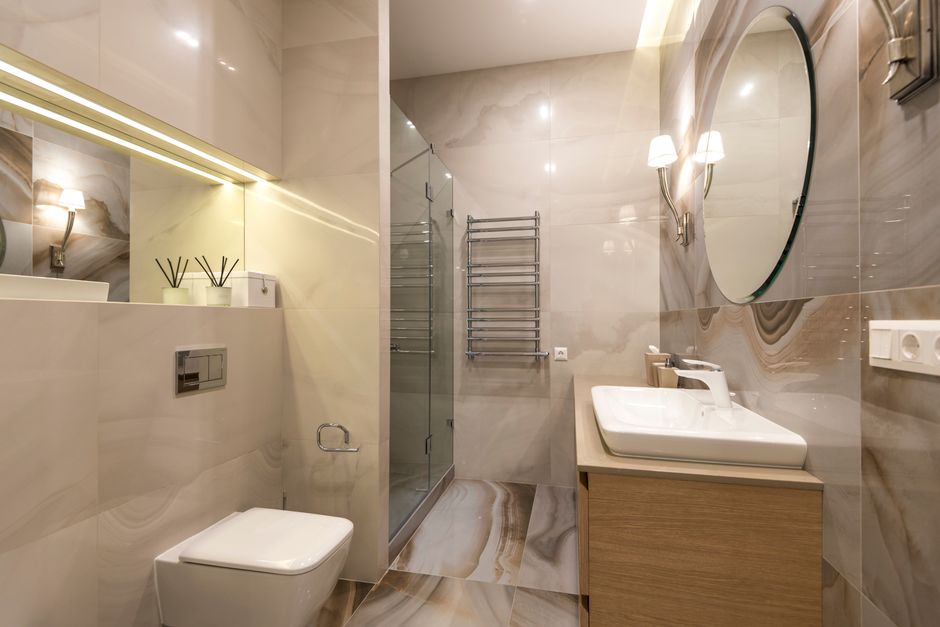
The only way to know what your bathroom project will actually cost is to get a proper quote from someone who can see the space in person. A good fitter will visit your home, measure up, understand what you want, check the existing condition, and then give you a breakdown of costs.
When you get quotes, ask for itemized breakdowns. You want to see what's included—is it just labour and sanitaryware, or does it include tiling, flooring, mirrors, lighting? Are materials included or do you supply them? What happens if unexpected problems turn up (like hidden damage behind the walls)?
Don't just look at the total figure. Understand what you're actually getting for that money.
Key Factors to Discuss With Your Fitter
- How long they think the project will take
- What's included in their quote and what isn't
- Whether they handle specialist work or if that's subcontracted
- What happens if problems are discovered during the work
- Whether Building Regulations approval is needed for your specific changes
- Payment terms and how invoicing works
A fitter who can clearly explain these things and answer your questions is someone you can trust to give you a realistic figure.
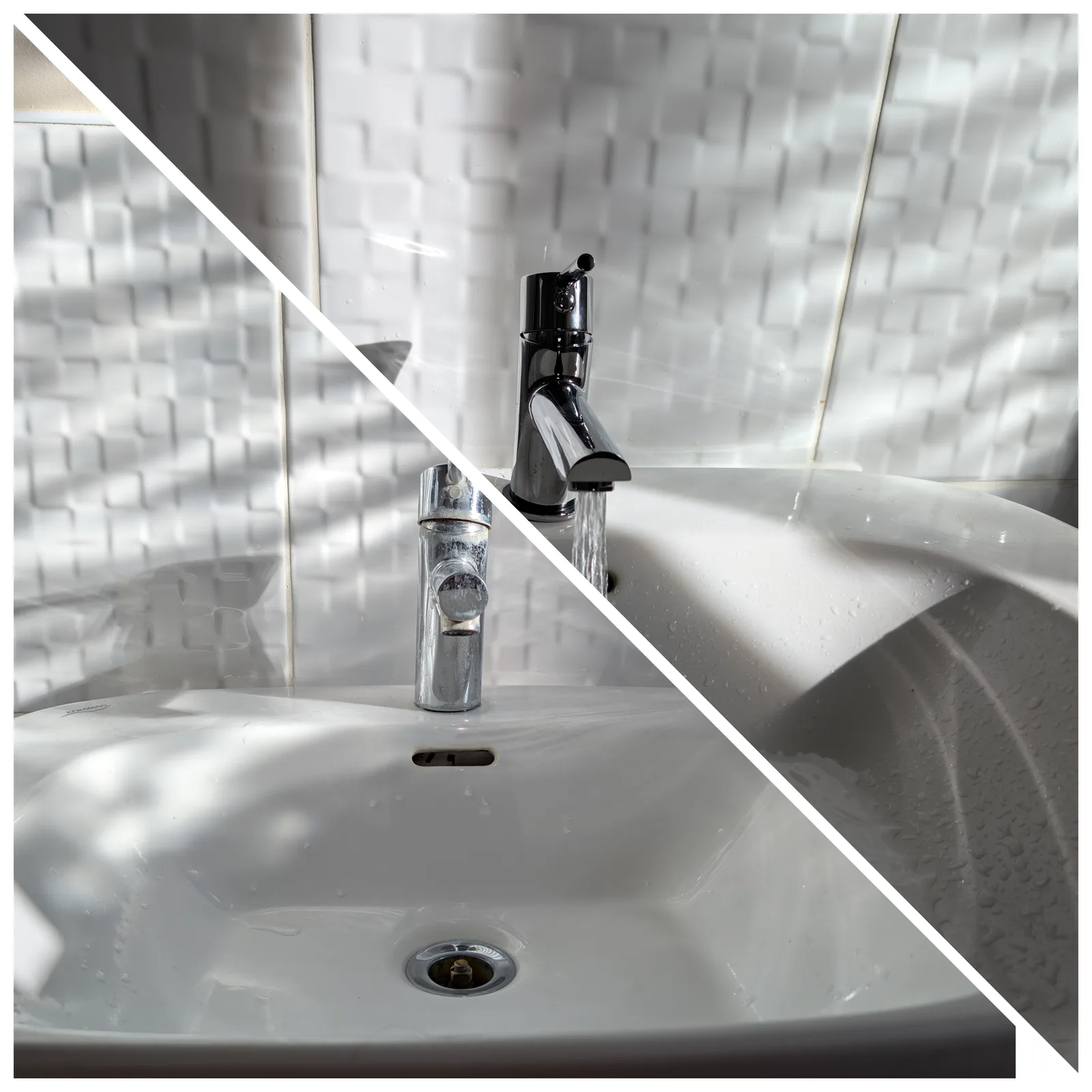
Why Professional Quotes Matter
It's tempting to try to guess what a job might cost before you call anyone. But bathroom work varies so much that guessing usually means either underestimating (and getting a nasty surprise) or overestimating (and assuming it's unaffordable when it might not be).
The best approach is to be clear about what you want—is it a quick update of a few fixtures, or a full renovation?—and then ask a trusted bathroom fitter to give you a proper assessment. That's when you'll have real numbers to work with.
In the Northampton, Milton Keynes, Kettering, Wellingborough and Daventry areas, professional bathroom renovation services are available to give you that detailed consultation and quote tailored to your home and your vision.
Making Your Budget Decision

Once you have quotes and understand what affects the cost, you can make a sensible budget choice. Look beyond just the price tag—consider the fitter's experience, how well they listen to what you want, and whether you feel confident they'll deliver quality work.
A well-fitted bathroom will last for years, so investing in a skilled fitter who gets it right from the start usually pays off far better than trying to cut corners on cost.
What if I only need a few things replaced?
If you just want to swap out a tap, replace a toilet, or install a new basin, that's a simpler job and will cost less than a full renovation. These smaller jobs still benefit from having a skilled fitter do the work—getting plumbing connections right matters even on smaller tasks.
Do I need planning permission for bathroom work?
Most bathroom renovations in the UK don't require planning permission. However, Building Regulations approval may apply if you're making structural changes or doing significant electrical work. Your fitter should advise you on this during the consultation.
What if I find a problem during the work—like damaged pipes or damp?
This is why getting a detailed quote that covers what happens if unexpected issues are discovered is important. A good fitter will tell you what they find and discuss options with you before pressing on. Hidden problems do occasionally mean additional costs, but a transparent fitter will explain why and what needs to happen next.
How do I make sure the quote I'm given is realistic?
Ask for an itemized breakdown, check that the fitter is clear about the timescale, ask whether they've included everything you discussed, and don't be shy about asking questions if anything is unclear. A fitter who rushes through the consultation or gives vague answers is a red flag. You want someone who takes time to understand your project properly.
Helpful links
AKS MultiTrade Quick Facts
- Location: Northampton
- Services: Plumbing; Bathroom Renovation; Bespoke Outbuildings; Landscaping; Watergardens